Showing posts with label wildlife. Show all posts

Tuesday, March 8, 2011

Feathered friends, slimy reptiles and visiting relatives

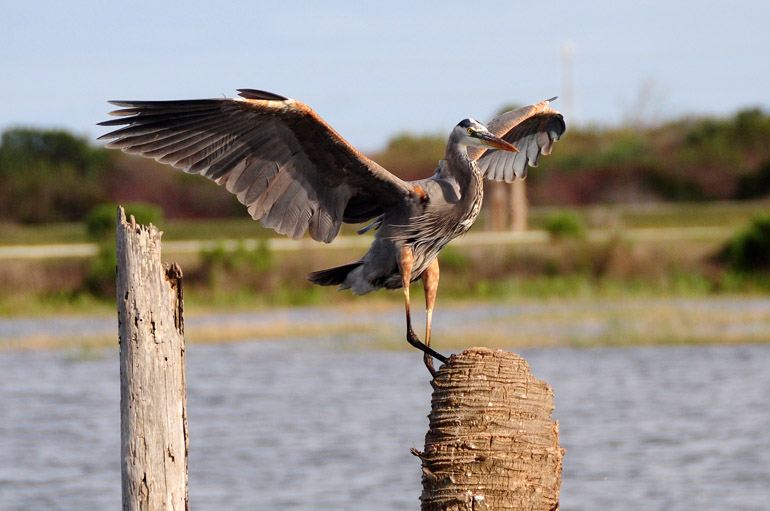
web_heron_vierawetlands_0016
A blue heron lands on a palm stump. Don't laugh; it's exciting stuff.


My paternal aunt and uncle were in town Sunday, March 6, for a spring training game in Viera.

After the Braves spanked the Nationals, we drove to the Ritch Grissom Memorial Wetlands to walk off our hot dogs and Coca-Colas.

My family is full of nature fanatics like me, so they enjoyed viewing the various snowbirds and perennial water creatures in the man-made chain of "lakes."
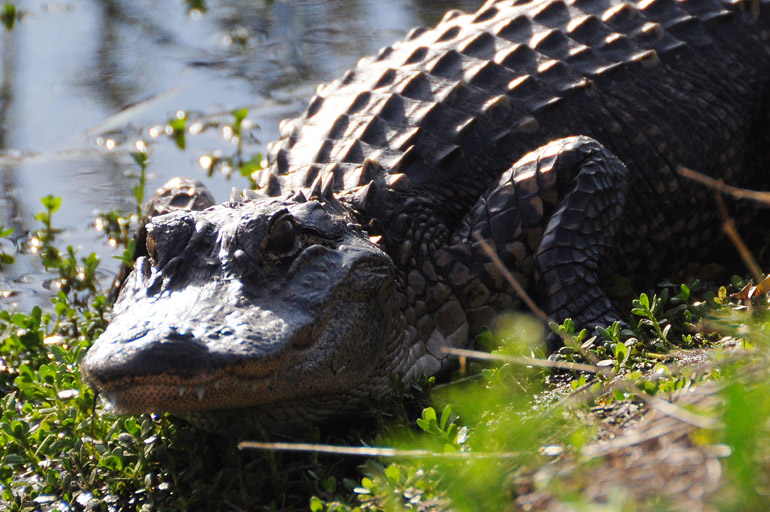

web_alligator_vierawetlands_0030
This is probably the closest I've come to an alligator. It was only a 4-footer with a smallish-looking jaw, so I felt safe.
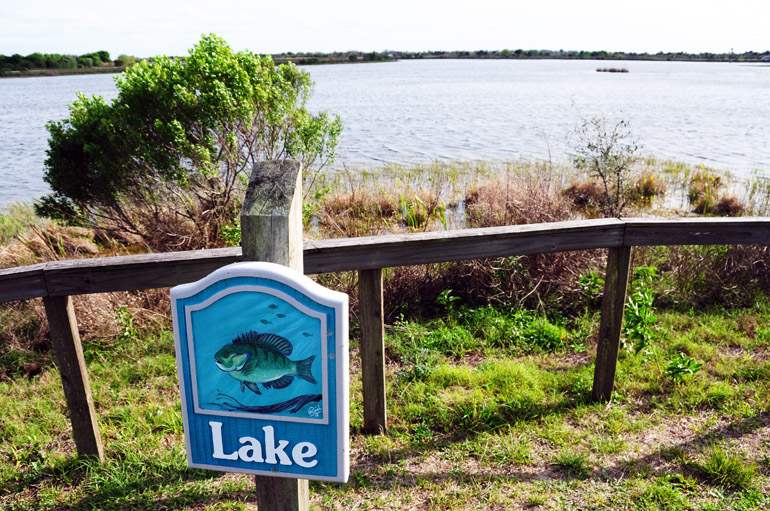
web_lake_vierawetlands_0001
I'm certainly glad this geological feature was labeled because I had no idea what it was.
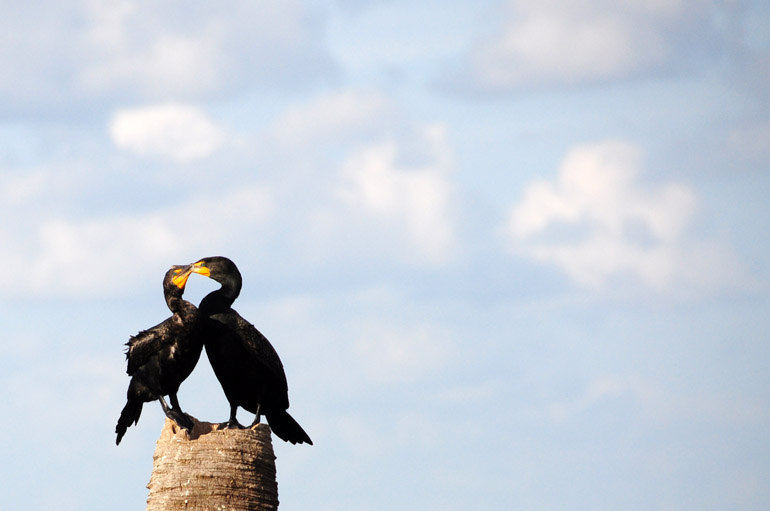
web_anhingas_vierawetlands_0036
These anhingas were sitting in a tree, N-E-C-K-I-N-G.
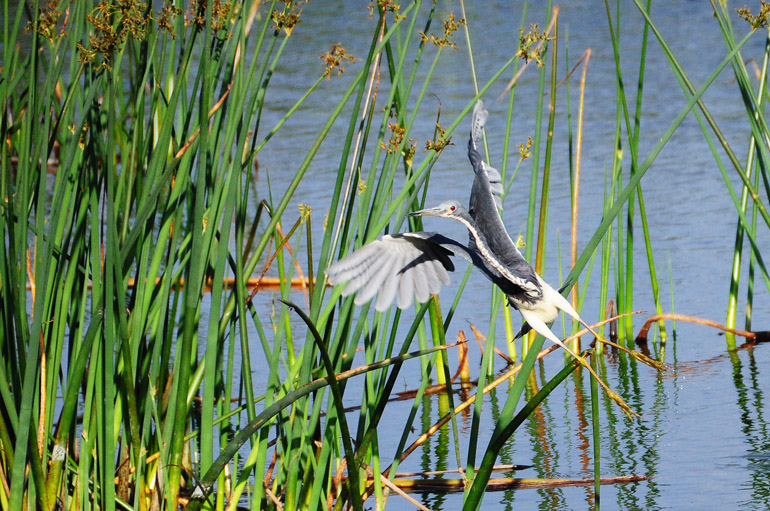
web_louisiana_vierawetlands_0050
That's a camera-shy Louisiana heron.

web_heronpic_vierawetlands_0047
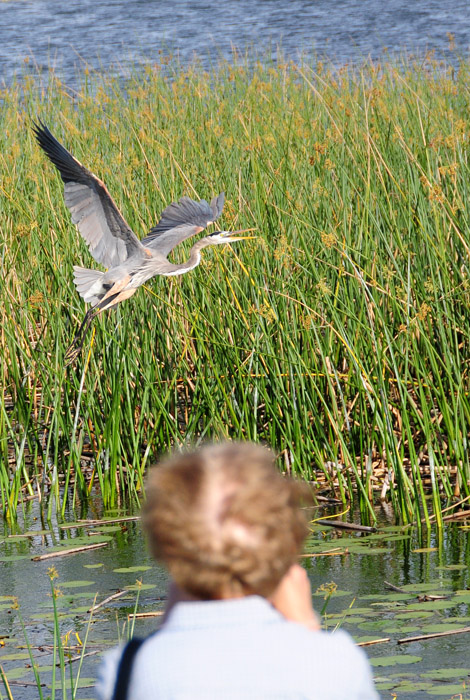
The aunt captures a heron with her point-and-shoot camera. She got a better shot than I did.
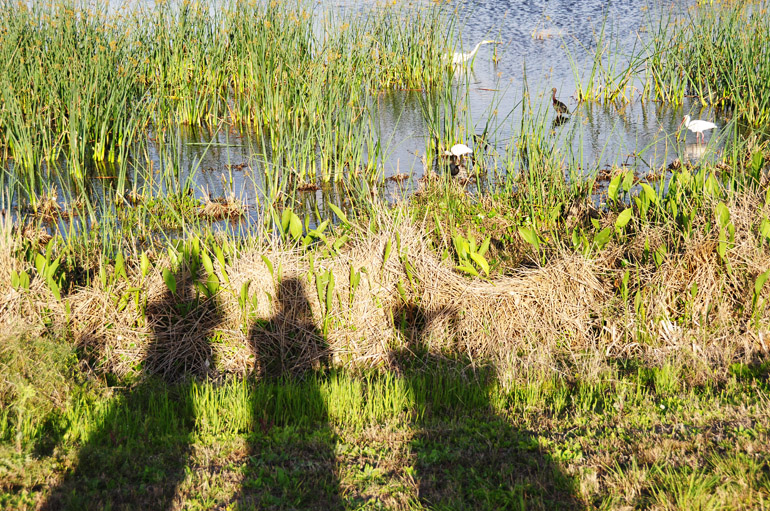
web_shadows_vierawetlands_0059
I thought I was being creative with this self-portrait of the three of us.
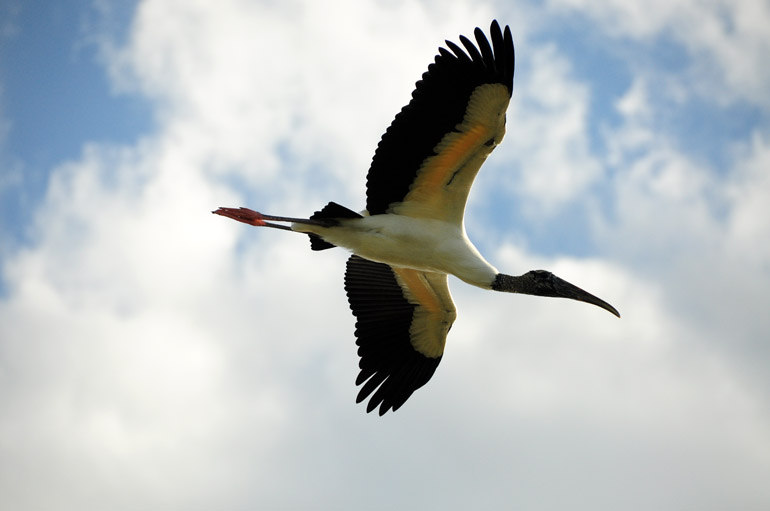
web_woodstork_vierawetlands_0062
My aunt -- Brenda is her name -- was talking about how they'd see wood storks near their Port St. Lucie rental home, where they stay for about six weeks of the year. As we were leaving the wetlands on foot, we saw several flying in.
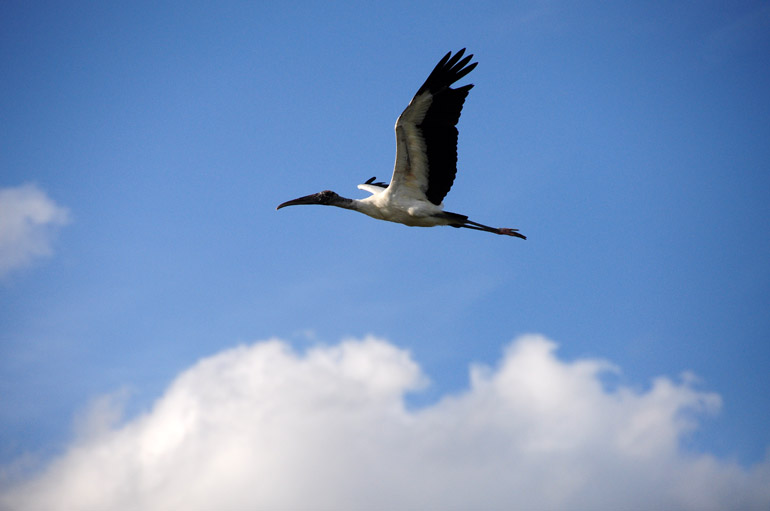
web_woodstorkblue_vierawetlands_0071
With the wood storks as a finale, we saw a bevy of wintering wildlife.

Wednesday, May 19, 2010

Blinded by love(bugs)

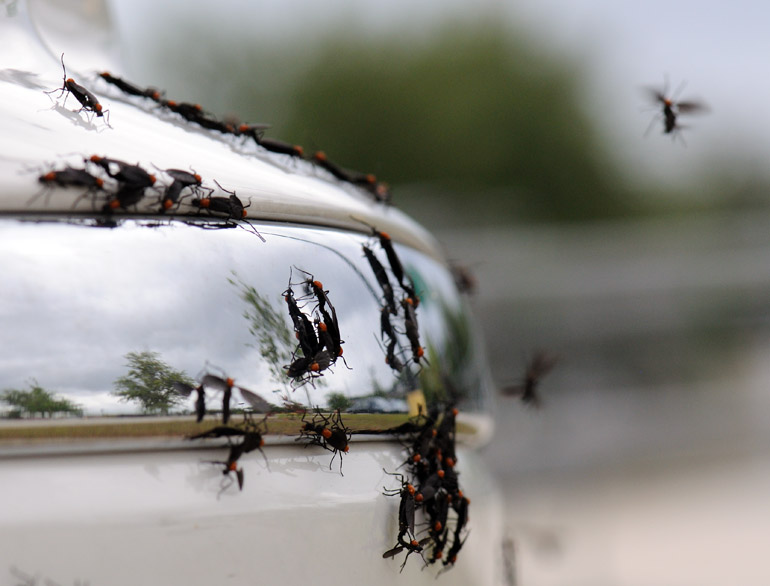
web_lovebug_headlight_0013_2715
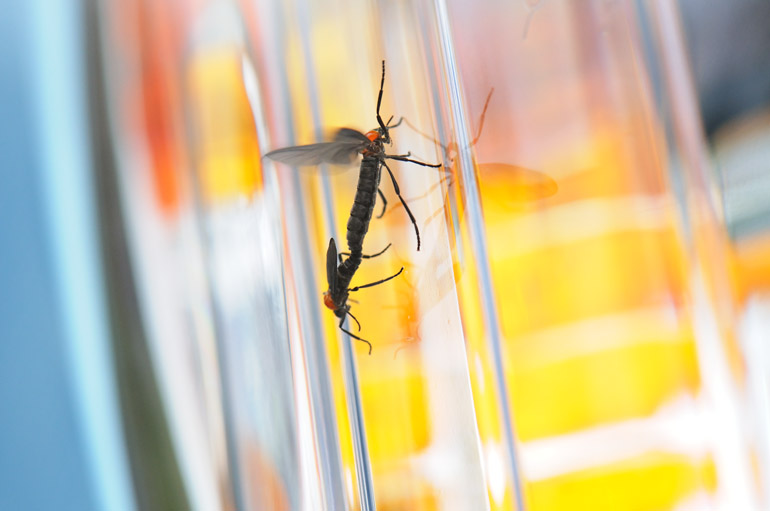
This happens twice every year in Florida: Flies known as lovebugs -- because they're most often seen in the act of mating -- swarm over the roads and parking lots, driving motorists to the car wash every day during the outbreak. This year's swarm, though, seems particularly ridiculous. I wrote this story about it. Above, a pair perches on a car headlamp.

web_lovebugs_jaguarside_0184_2718
The lovebugs were all over this Jaguar I found in the parking lot of a Walmart in Melbourne.
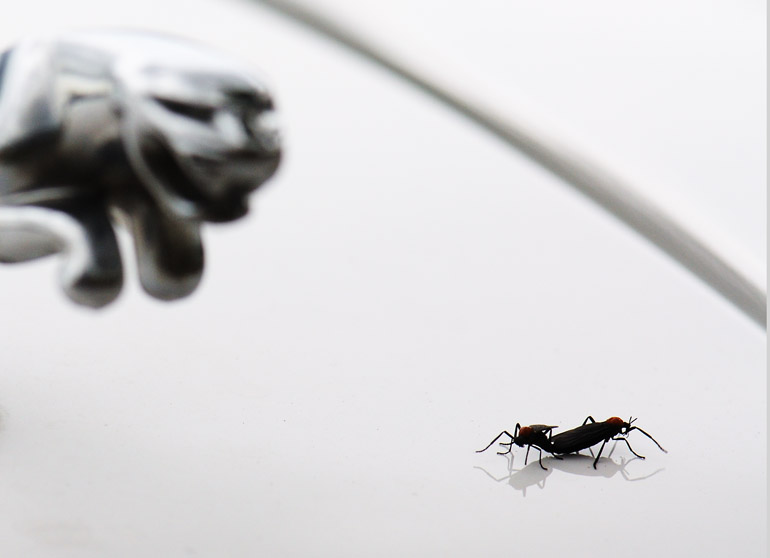
web_lovebugs_closepair_0011_2714
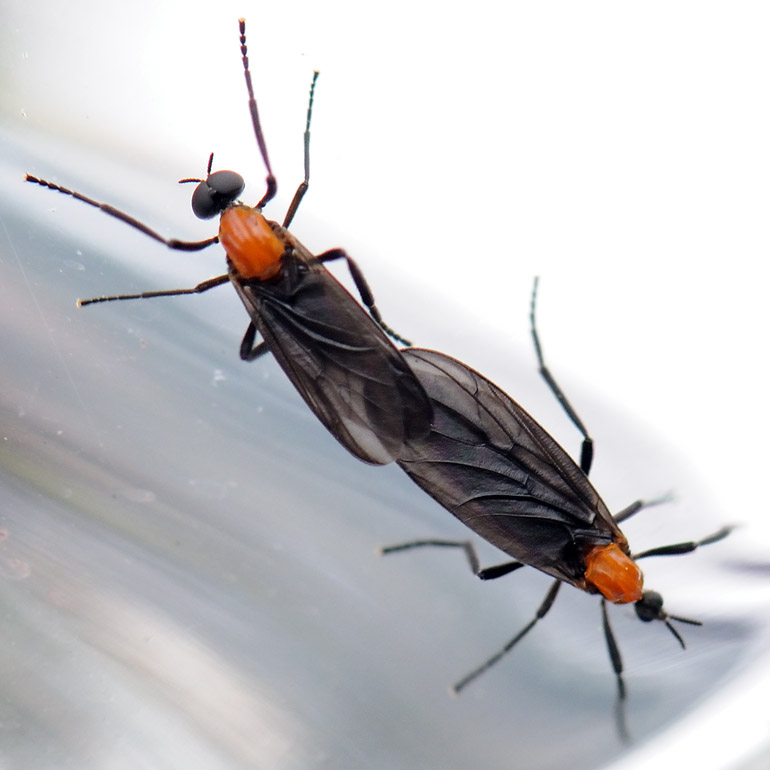
An intimate shot of lovebugs caught in the act.
web_lovebugs_bumper_0177_2717
Lovebugs are attracted to ingredients in car exhaust and to the heat vehicles tend to emit while baking in the Florida sun. They also like light-colored surfaces, explaining why they landed on this white car.

web_lovebugs_jaguar_jag_0196_2719
Another two on the hood.

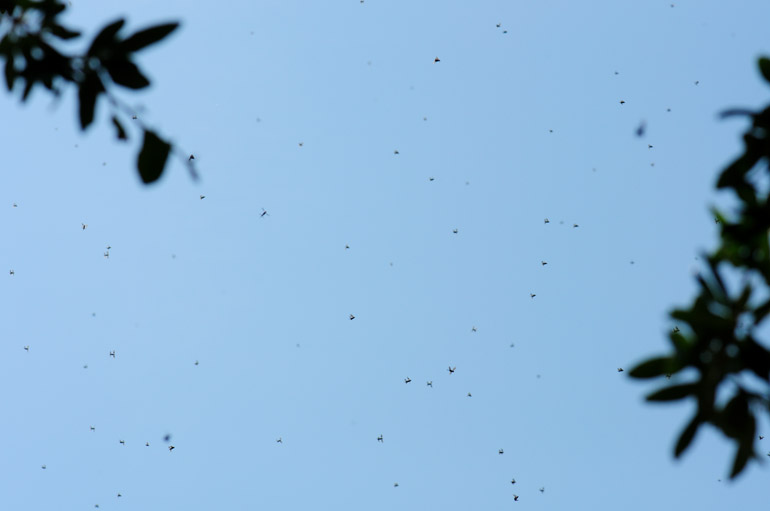
weh_lovebugs_sky_0001_2720
A swarm is contrasted from the blue sky. When you're moving 50 mph in a car, such a swarm makes it seem as though it's snowing black bugs. They splat on your windshield, and they're not easy to scrape off unless you do so immediately.

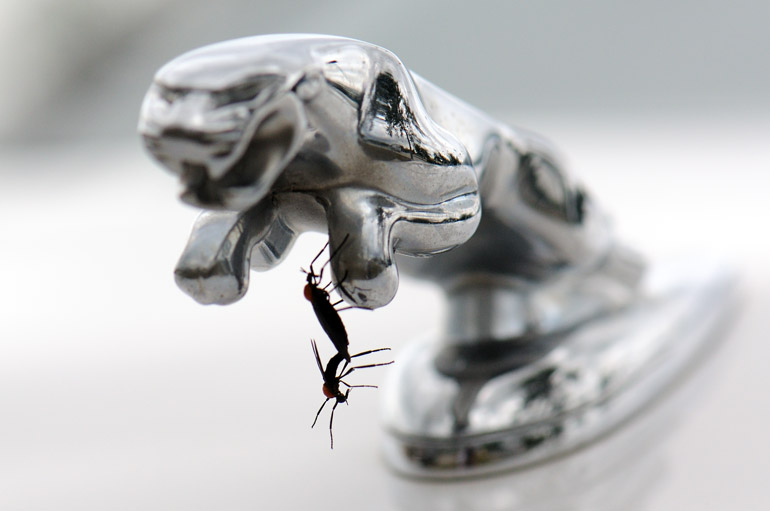
web_lovebugs_jaguarhanging_0152_2716
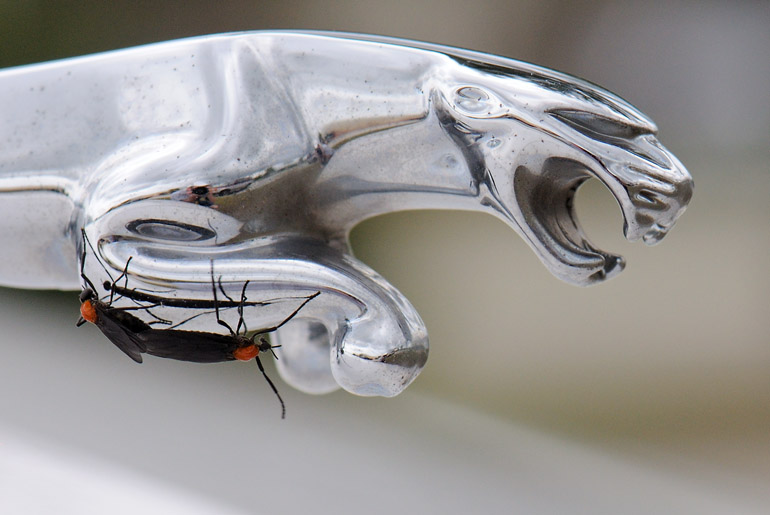
Two hang out on the Jaguar hood ornament.

web_lovebugs_car_0009_2721
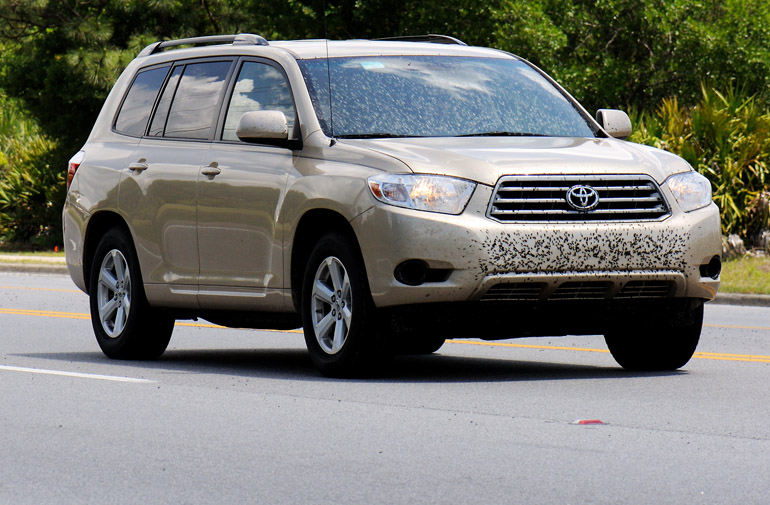
I stood alongside Wickham Road, which runs in front of my apartment complex and where the bugs seemed extremely thick, and waited for an especially coated vehicle to pass by. This SUV got it pretty bad. If lovebugs aren't cleaned off quickly, their juices can turn acidic and eat into vehicle paint. The black specks on the pavement in this photo are dead lovebugs.

Thursday, February 25, 2010

Big birds of Viera's man-made wetlands

web_craneclose_wetlands_0025_2549
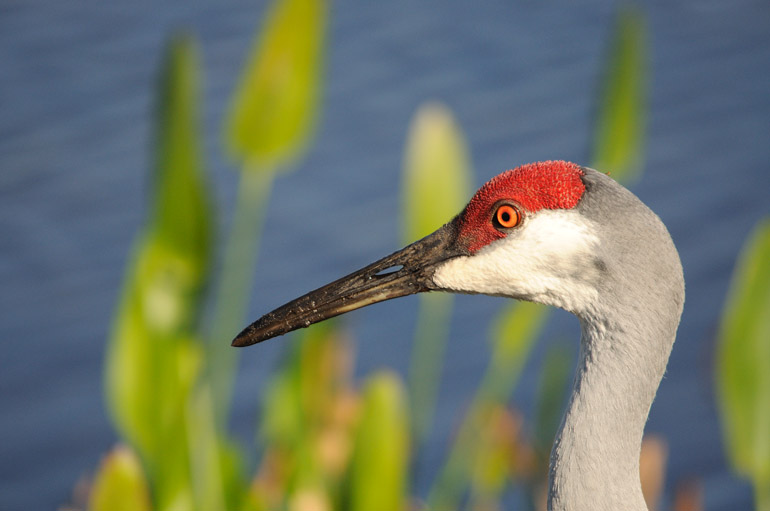
In the past several weeks, while running errands, I've stopped by Viera's Ritch Grissom Memorial Wetlands a few times on a whim. It's conveniently located near many of the stores in Viera that I frequent, so taking a slight detour through the wetlands to see what's flying around on a particular day is not much to ask. After all, I always have my camera with me, and one never knows what critter will make itself visible, even during the briefest of visits to such a wildlife refuge. On one of those days, a sandhill crane landed on the bumpy dirt road in front of me.

web_cranedrops_wetlands_0017_2548
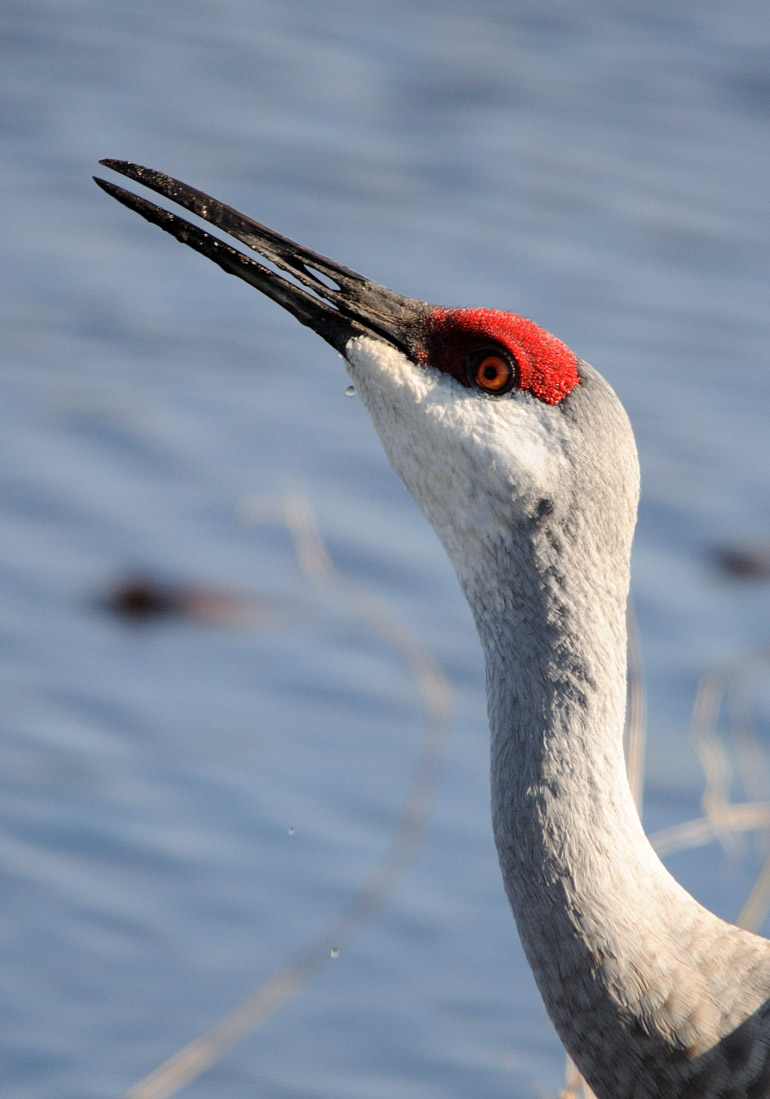
The crane made its way to the edge of the water, where it browsed for food.

web_heronhair_wetlands_0062_2550
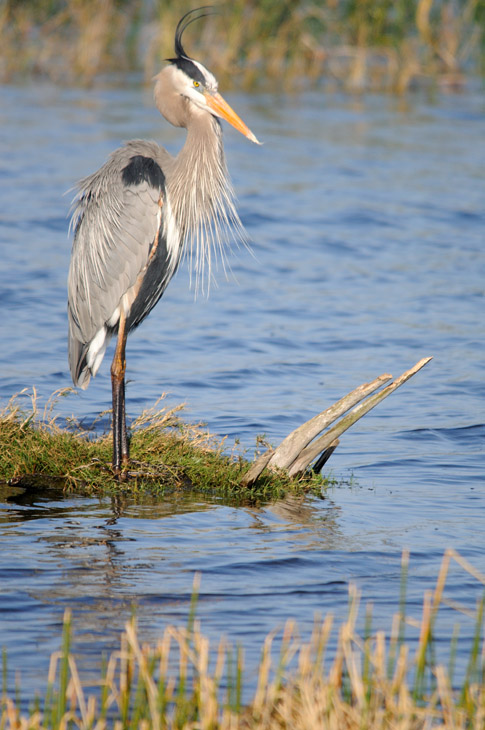
Another common, large bird at the wetlands is the great blue heron. This one was having an Alfalfa-style hair day.

web_herongold_wetlands_0035_2556
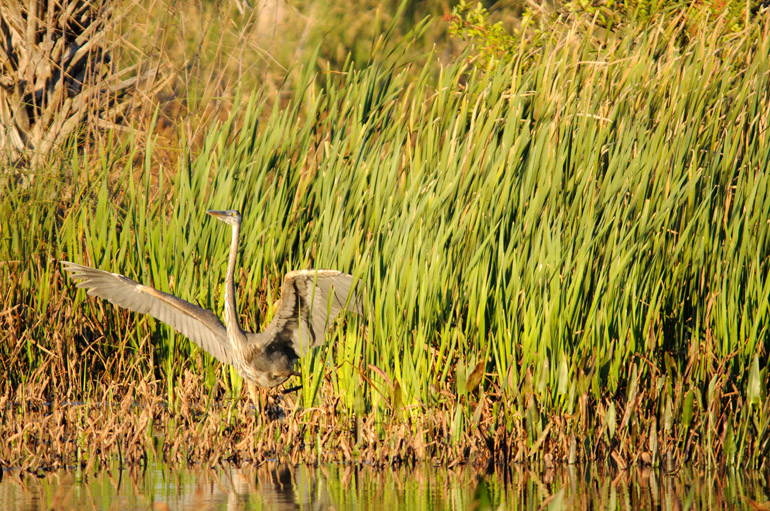
This heron was stalking fish when I visited late in the afternoon, during the golden hour.

web_heronlanding_wetlands_0038_2557
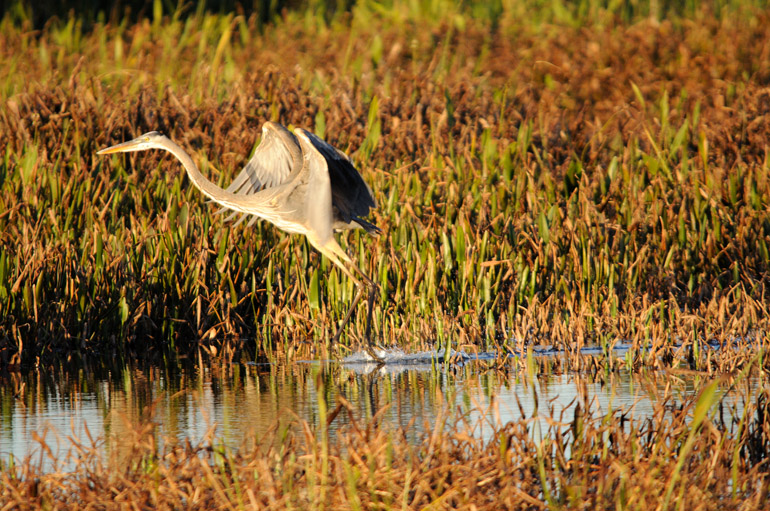
I thought the heron had spotted a particularly large fish. Or, at least, something moved it to fly a short distance, feet skimming on the water's surface, then plop back down into the swampy grass. It caught no fish, though. I guess it was just skittish behavior on account of the photographer pointing a large camera lens in its general direction.

Tuesday, February 9, 2010

Cedar waxwings, robins rob Florida of its berries

web_waxwingrobins_birds_0028_2545
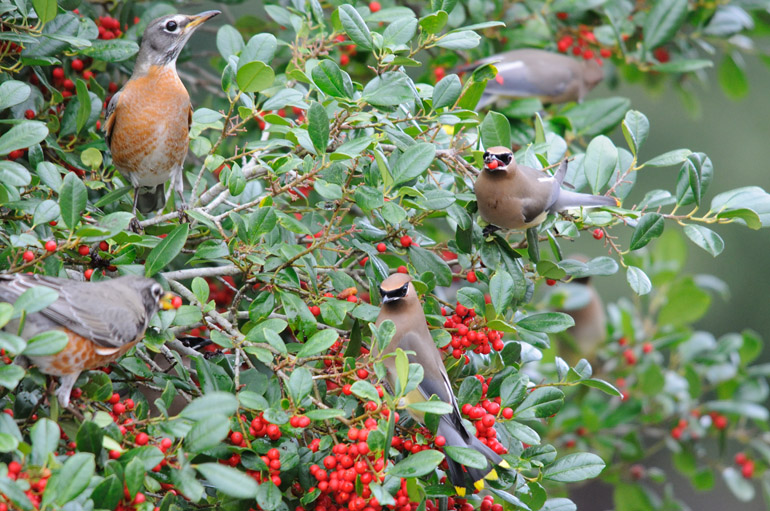
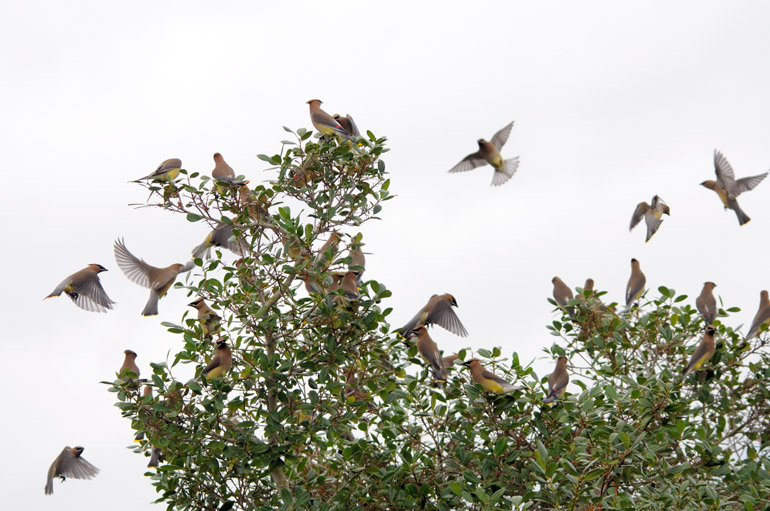
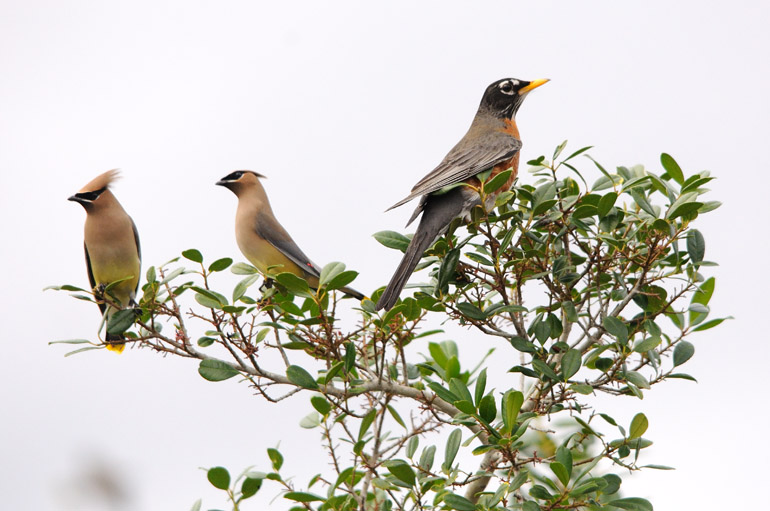
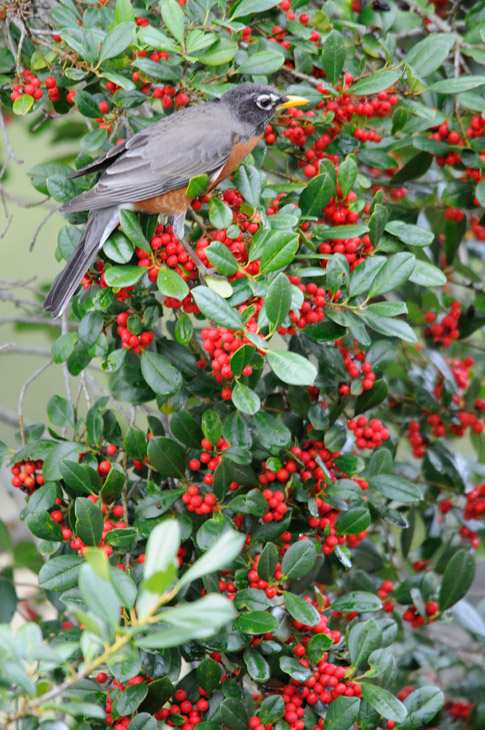
A combined flock of migratory cedar waxwings and robins assaulted the berry tree in front of my apartment the other day. They've been going from tree to tree in Melbourne until each is plundered of its fruit. I've never seen something quite like this in my few years in Florida.

web_waxwingflock_birds_0009_2544
Waxwings perch on the tree.

web_waxwingsrobins_perched_0048_2547
The two bird species seemed to be courteous to each other while chowing down.

web_robin_birds_0031_2546
Within hours, all of these berries were gone.

Thursday, February 4, 2010

A coot, its feeding friends and a dinnertime enemy on Merritt Island

web_cootswide_merritt_0298_2529
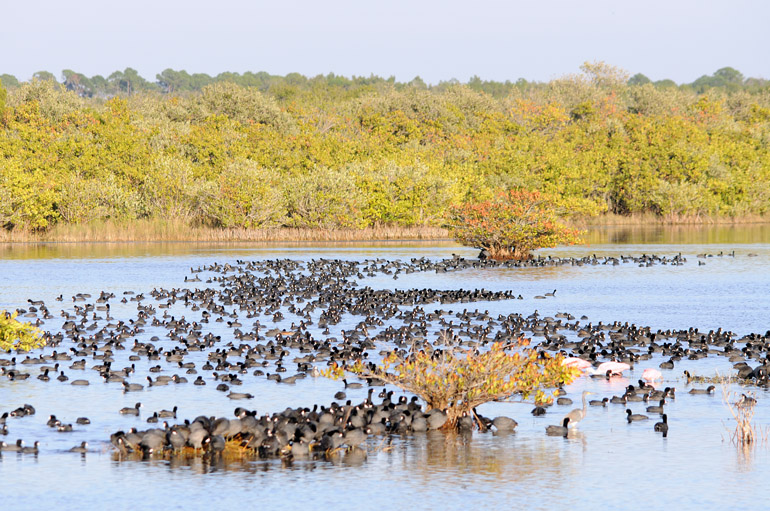
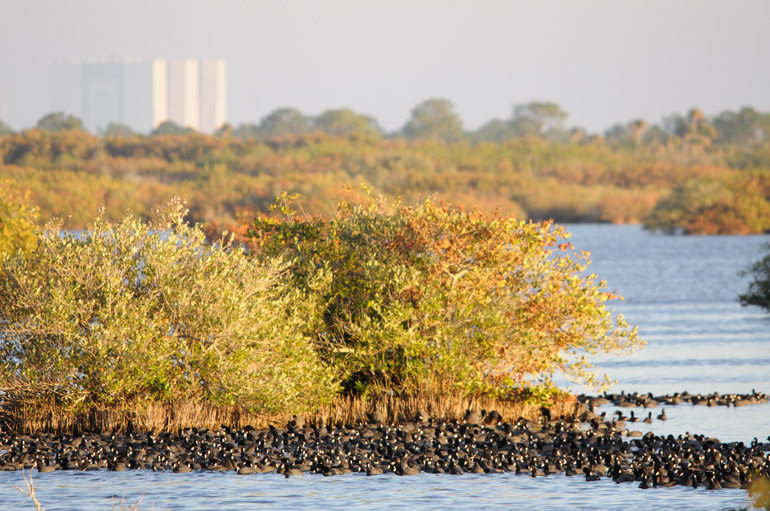
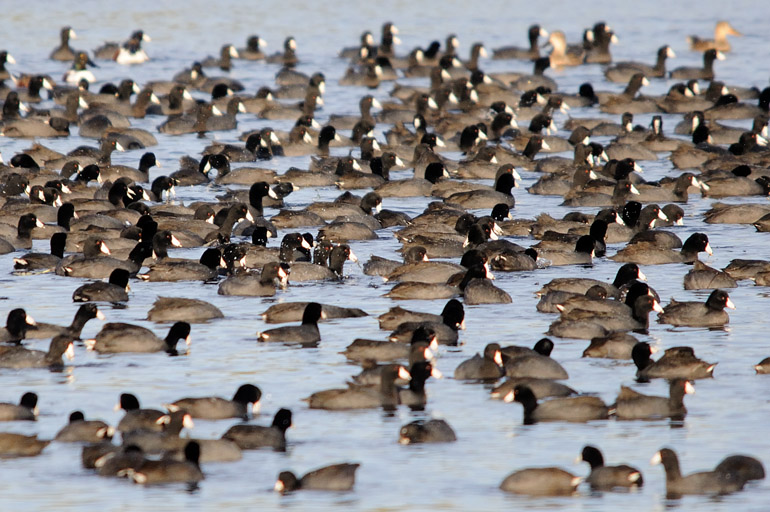
Purchase a print | This is a story - a sad one at that - of a bird at the Merritt Island National Wildlife Refuge. It's one of the coots in this flock over the shallows along Blackpoint Wildlife Drive. The gathering of thousands of birds representing many species attracted a large group of birdwatchers and photographers, including myself.

web_skimmers_merritt_0363_2536
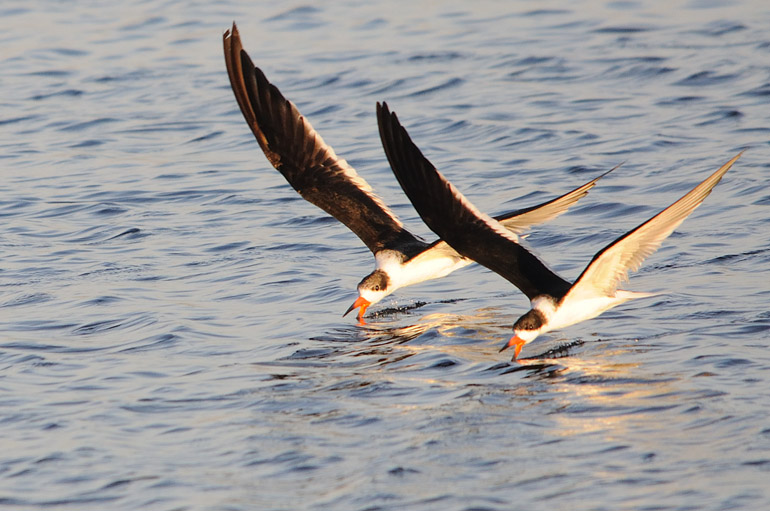
Purchase a print | The coots were joined by other birds, such as these black skimmers, late in the day Wednesday. The two photographers standing next to me were jealous when I shot this of the two birds feeding symmetrically alongside each other.

web_cootsvab_merritt_0390_2538
A flock of coots is known as a cover. This cover teamed over the water with NASA's Vehicle Assembly Building in the background.

web_cootsclose_merritt_0292_2528
The coots in the center of this flock splash around while feeding on the vegetation.

web_spoonbillcoots_merritt_0267_2526
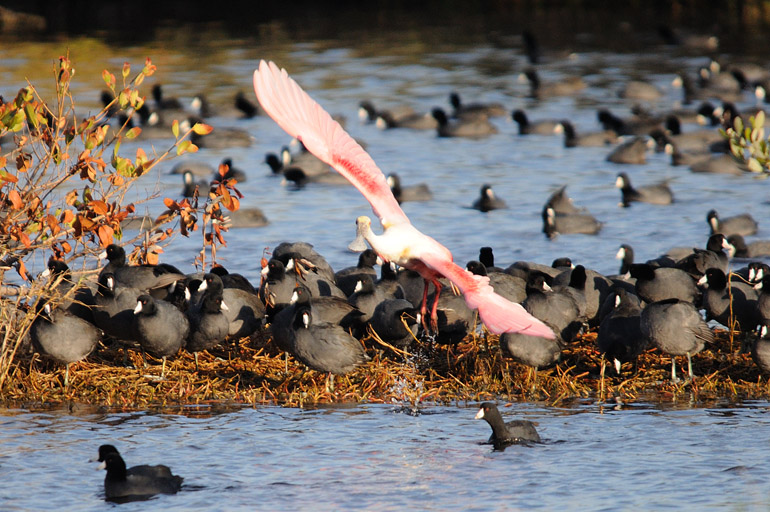
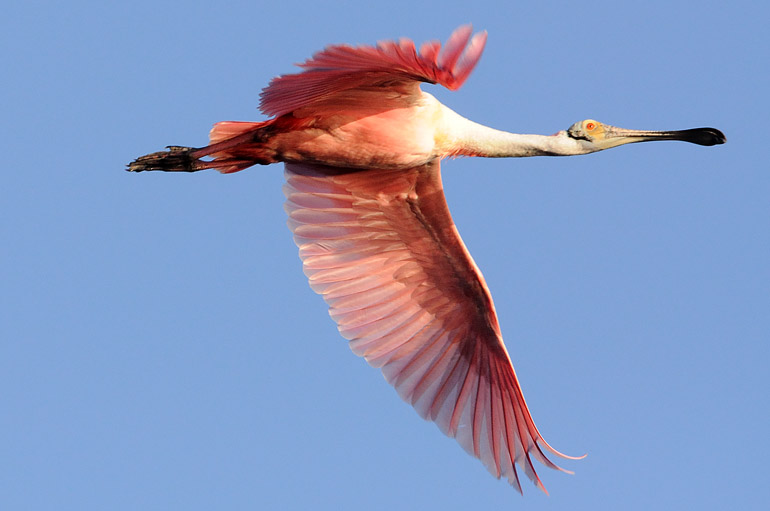
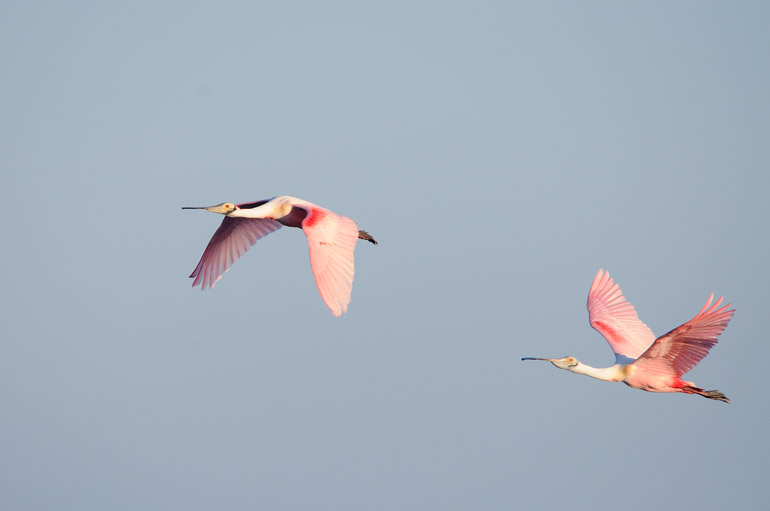
A few roseate spoonbills were mixed in with the coots - this one just taking off.

web_heron_merritt_0215_2524
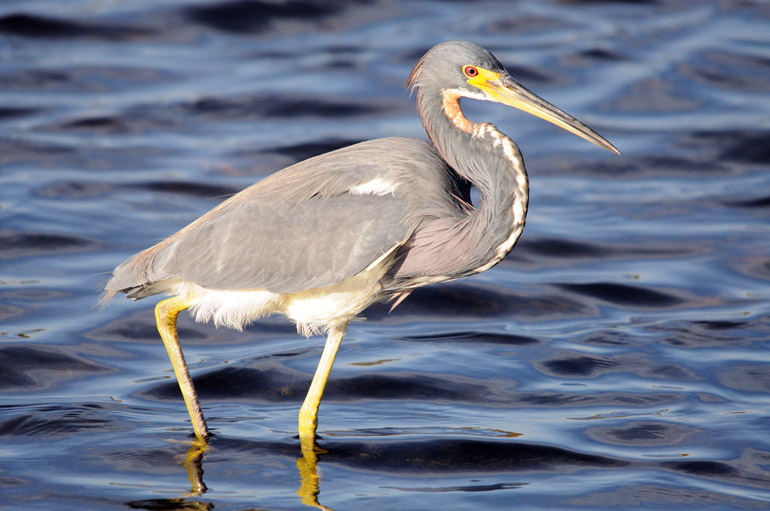
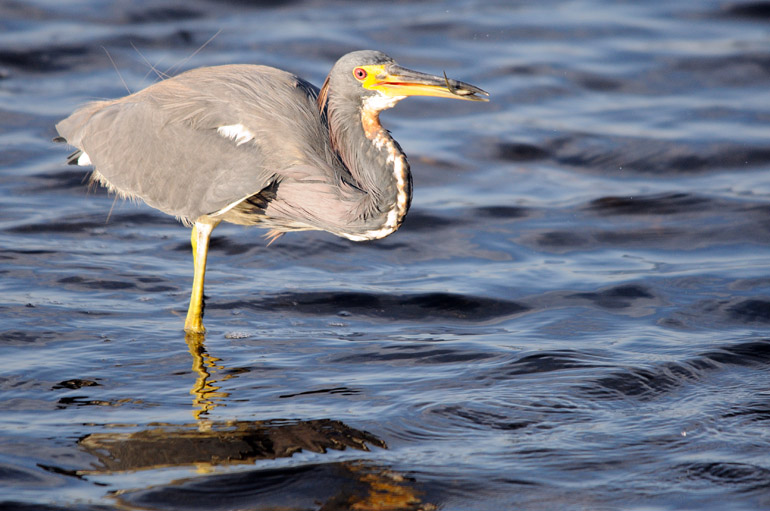
Purchase a print | The Louisiana herons had it easy. Their long legs permitted them to stand high above the shallows and pick out minnows for an easy dinner.

web_heronfish_merritt_0211_2523
Purchase a print | This heron was catching one after another.

web_three_merritt_0190_2522
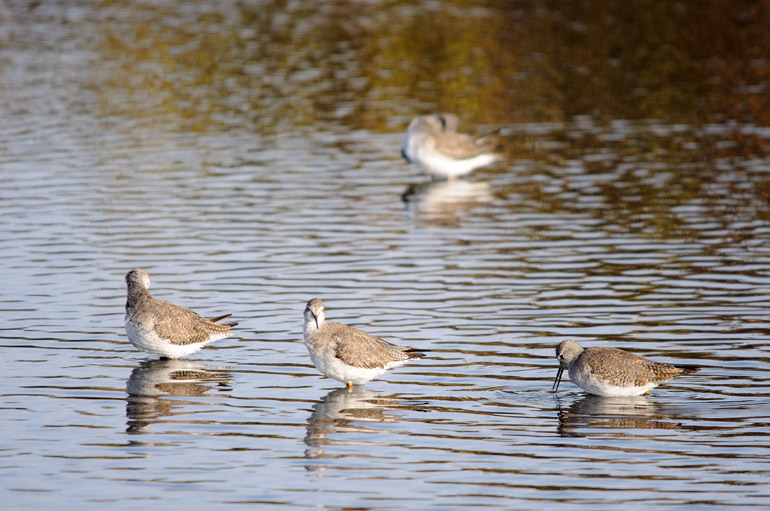
Dozens of sandpipers were gathered in one area. I spotted these three and snapped a shot to represent their vast population.

web_nasaone_merritt_0396_2540
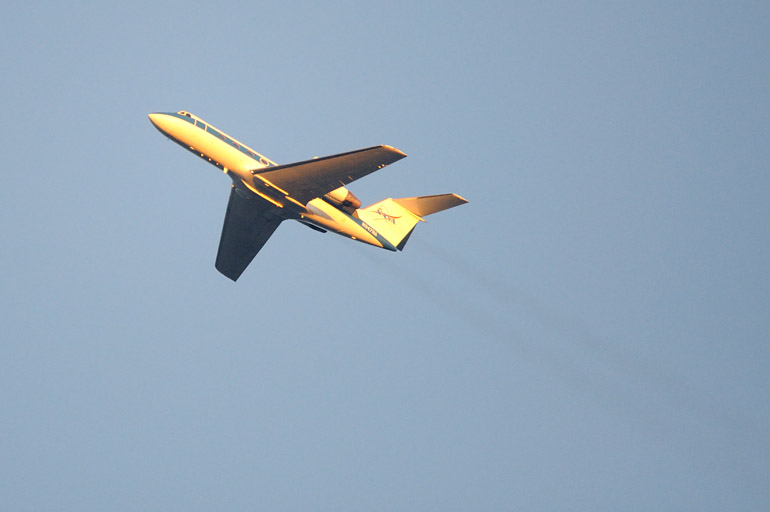
The only things that tend to break the silence at the refuge are artificial birds from America's space agency.

web_nasatwo_merritt_0421_2541
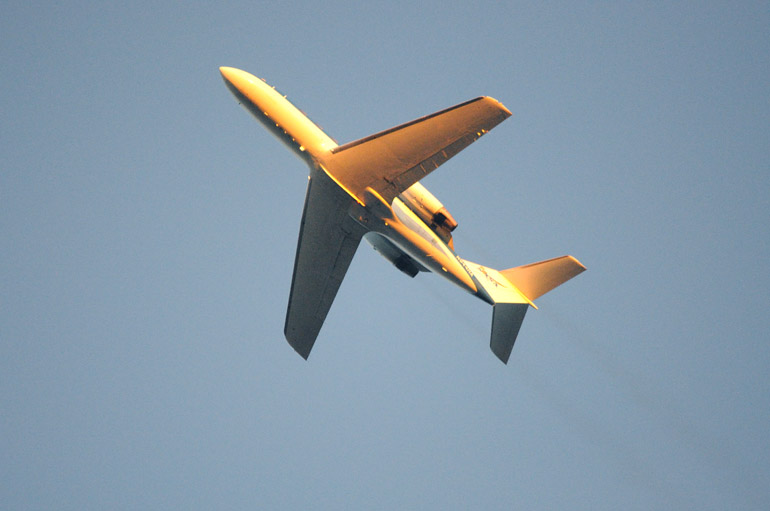
The two NASA jets were in the process of taking off from the Shuttle Landing Facility at Kennedy Space Center, which is located on Merritt Island, too. The planes glowed in the late-day day golden sunshine.

web_egretdark_merritt_0161_2521
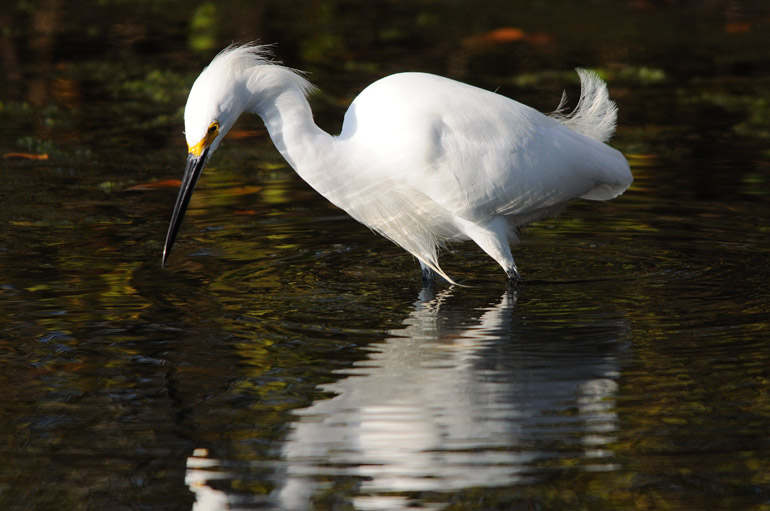
Purchase a print | A snowy egret looks for a dinner of fish.

web_egretflying_merritt_0219_2525
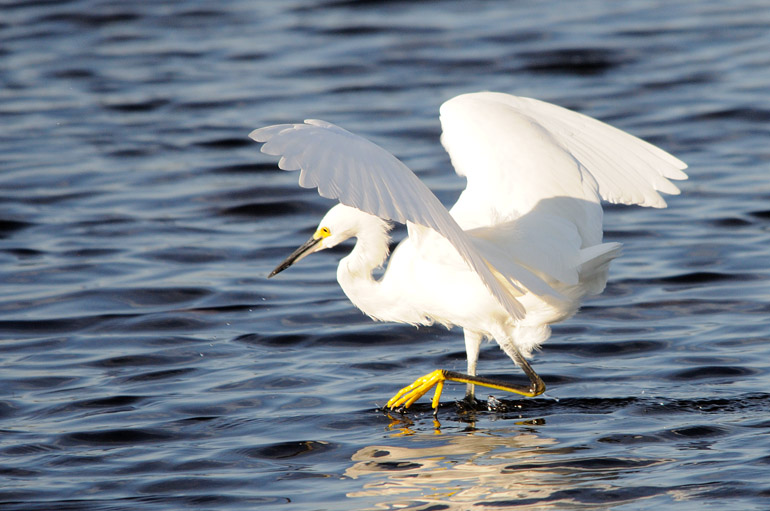
The egret sometimes used its wings to hop near a school of fish.

web_cootsscared_merritt_0323_2530
But all the birds silently feeding were interrupted. The flock of coots began to stir, then ran frantically across the water.

web_flock_merritt_0393_2539
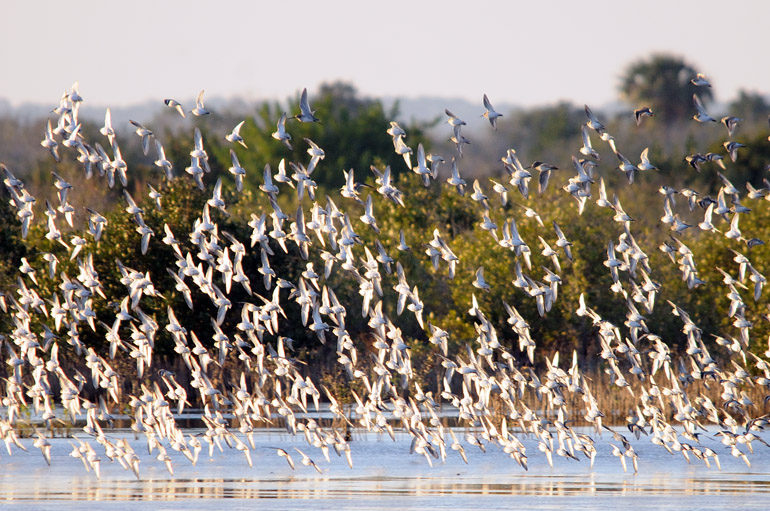
Another flock of sandpiper-like birds, here only for the winter season, was spooked, too.

web_tandem_merritt_0269_2527
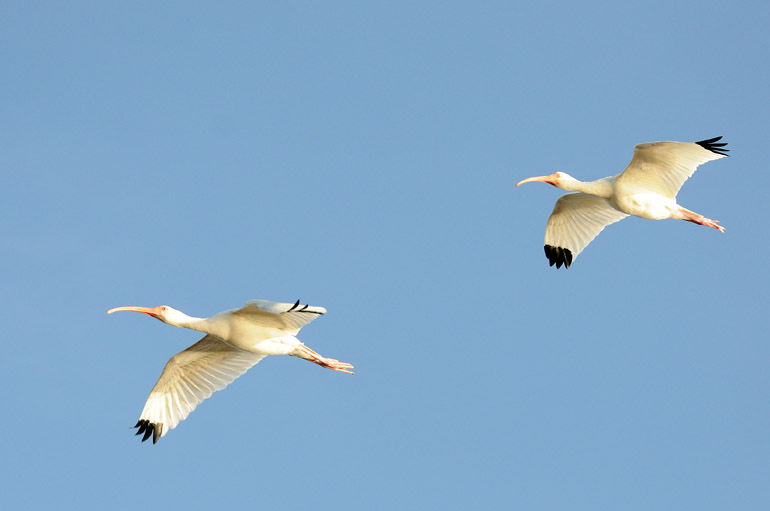
A pair of white ibis flew away promptly.

web_spoonbillflying_merritt_0324_2531
Purchase a print | A spoonbill followed.

web_twospoonbills_merritt_0368_2537
More spoonbills went in the opposite direction.

web_eaglesoaring_merritt_0328_2532
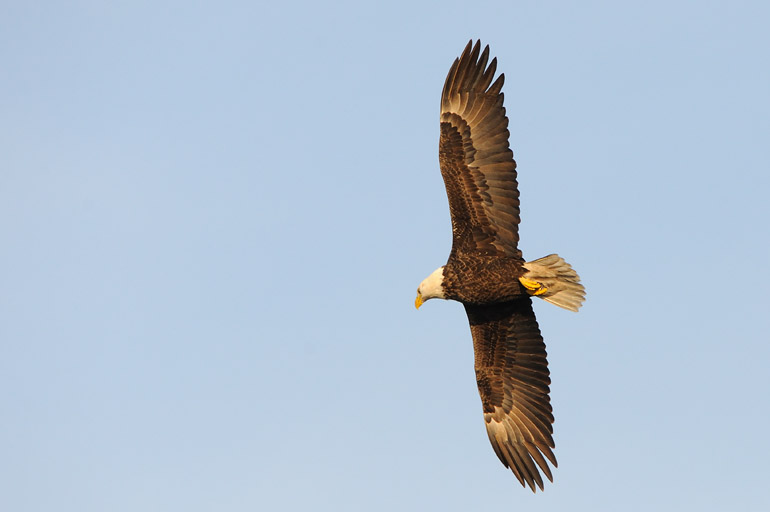
Purchase a print | Someone in the group of bird-gawkers said, "Look up! It's an eagle!" (a bird species I don't see too often here in Florida). It soared slowly downward.

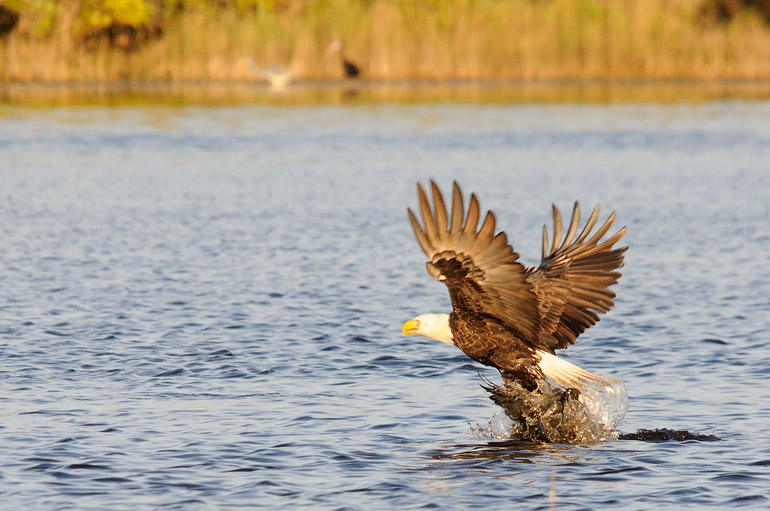
web_eaglegrab_merritt_0332_2533
Purchase a print | Everyone in the group knew that the eagle must have been after an injured or dead coot; we couldn't quite see for sure, though.

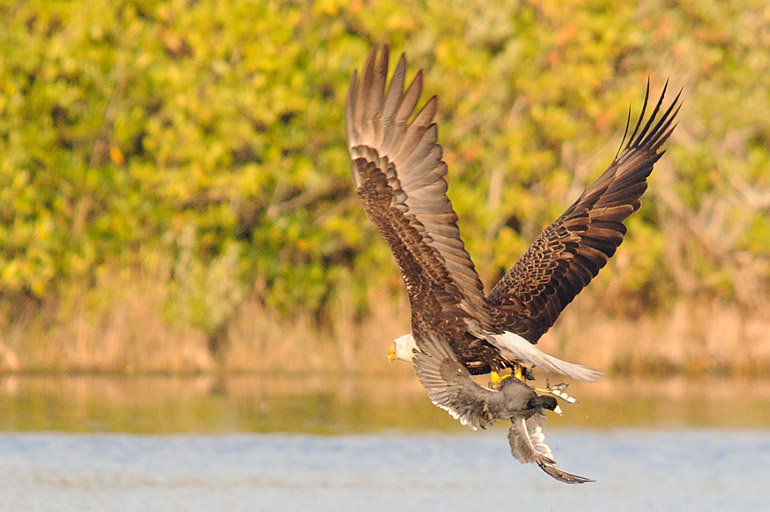
web_eagledinner_merritt_0335_2534
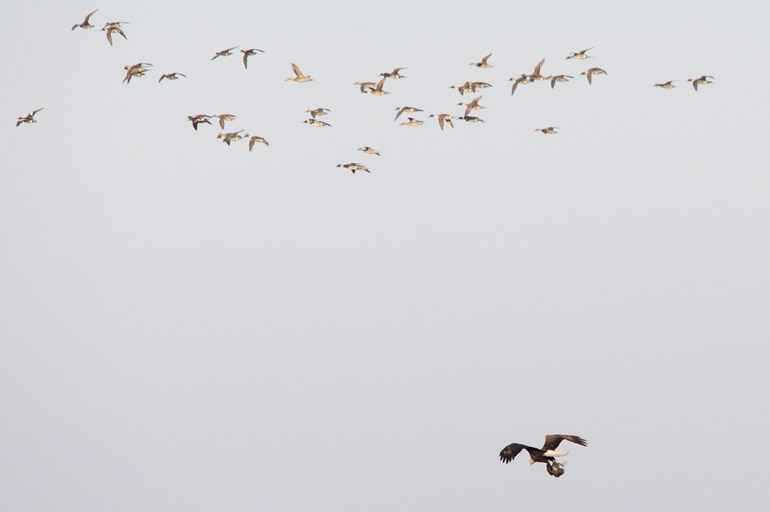
Purchase a print | The photograph of the eagle flying off with its meal, though, confirmed that it was a coot.

web_eagleleaving_merritt_0337_2535
Birds continued to flock away from the formidable eagle. The eagle dispersed the thousands of birds - and the photographers who no longer had anything to photograph.

Tuesday, December 29, 2009

Something different at the Viera wetlands

head_down_0095
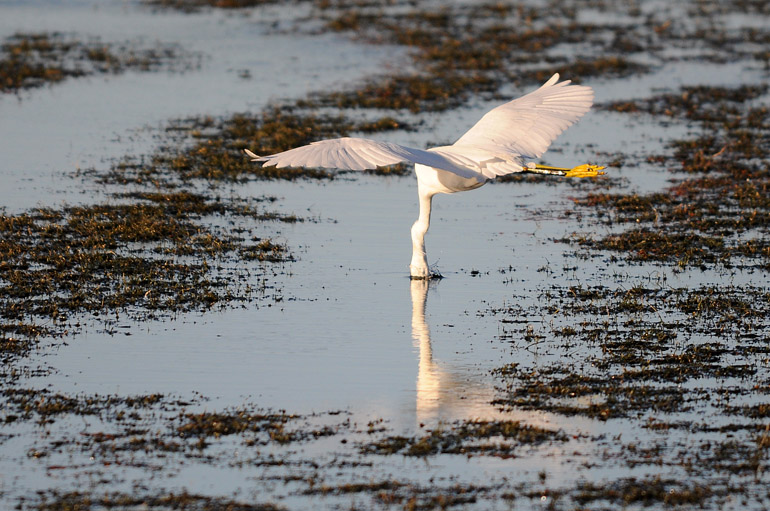
In a pose I have never seen, an egret sticks its head under the water in search of fish while flying along at full speed.

howling_0119
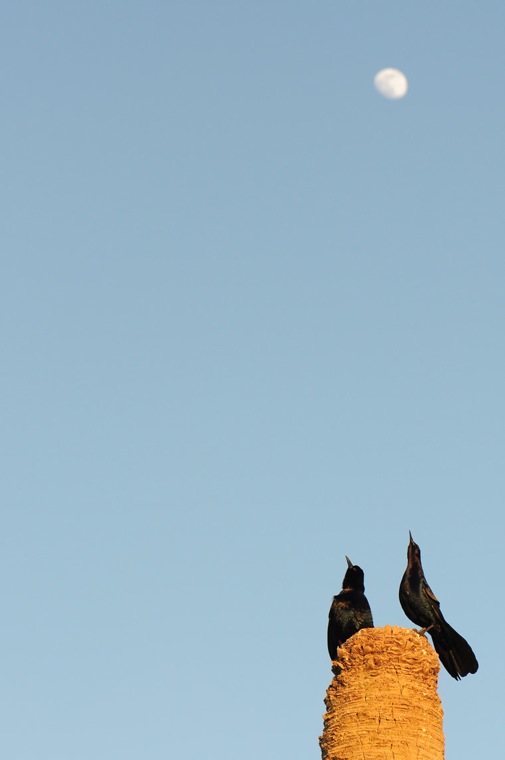
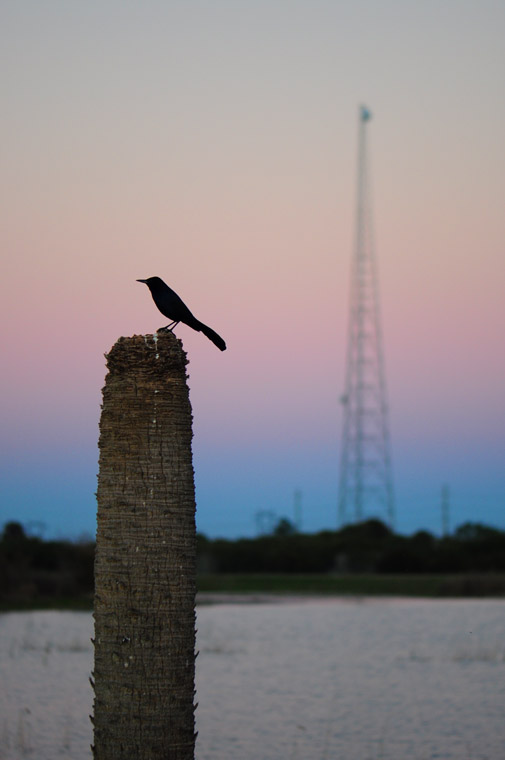
Grackles howl at the moon from the top of a palm tree stump.


I was driving through Viera on Monday when I decided on a whim to drive through the Ritch Grissom Memorial Wetlands, a man-made habitat for birds, alligators and other critters. The land is nourished by treated wastewater from a nearby facility.

The sanctuary is popular during this time of year. It consists of a series of connected dirt roads along several different "cells" of water, particular ones of which are usually dominated by a certain species. I suspect that a combination of the snowbirds being back in full force and the holiday week made this Monday a busy day for birdwatchers and photographers at the wetlands.

I came away with a bit of a different look at the wildlife there from the first time I visited the habitat.


grass_0103
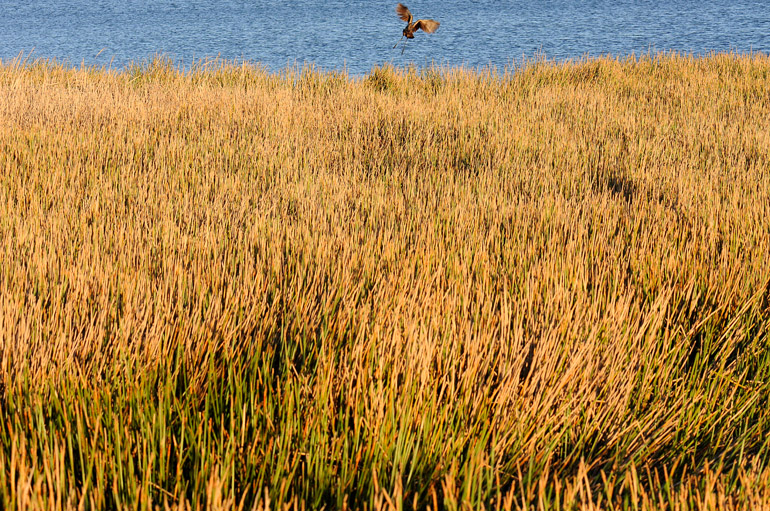
An American bittern takes off among high water grass, which browns this time of year.

duck_0046
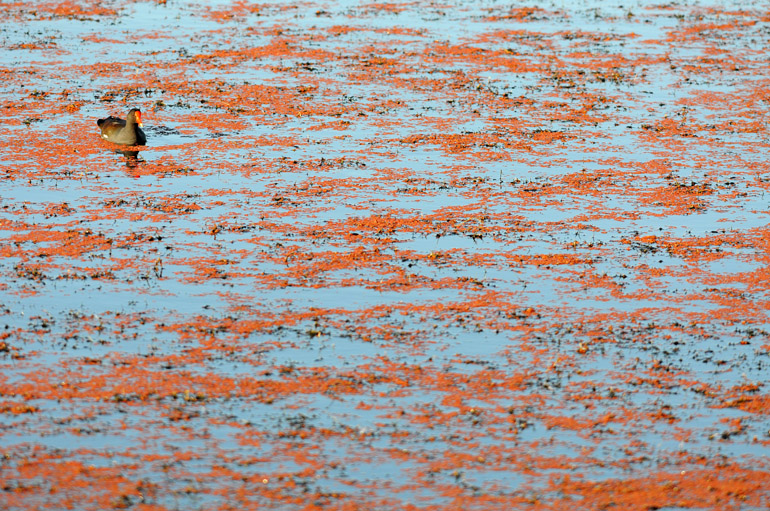
A gallinule swims among some sort of red algae.

landing_0076
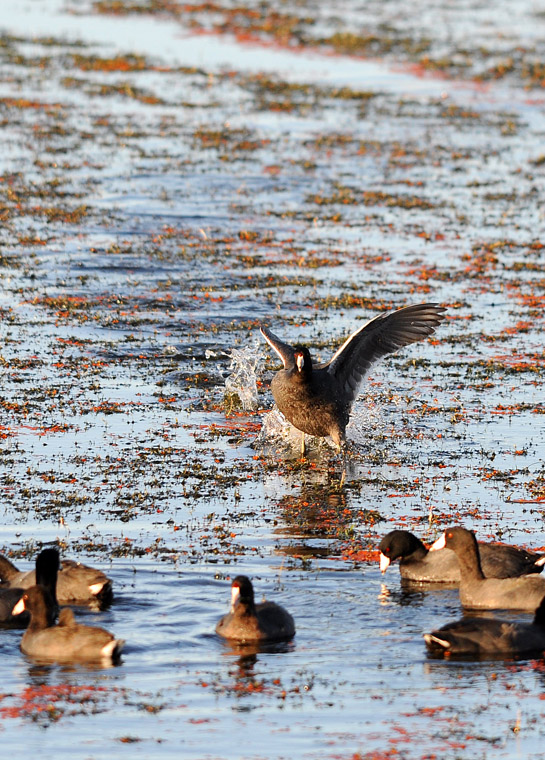
This coot decided to join the feeding frenzy.

moon_0106
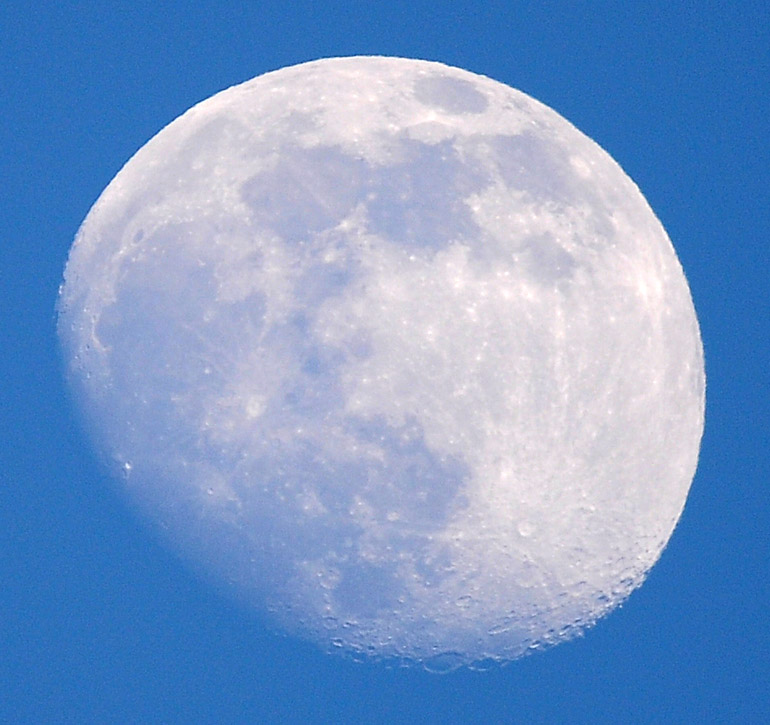
The moon hangs in a brilliant blue sky. Speaking of blue and moon: There will be a blue moon on New Year's Eve, the first New Year's blue moon since 1990.

anhinga_0040
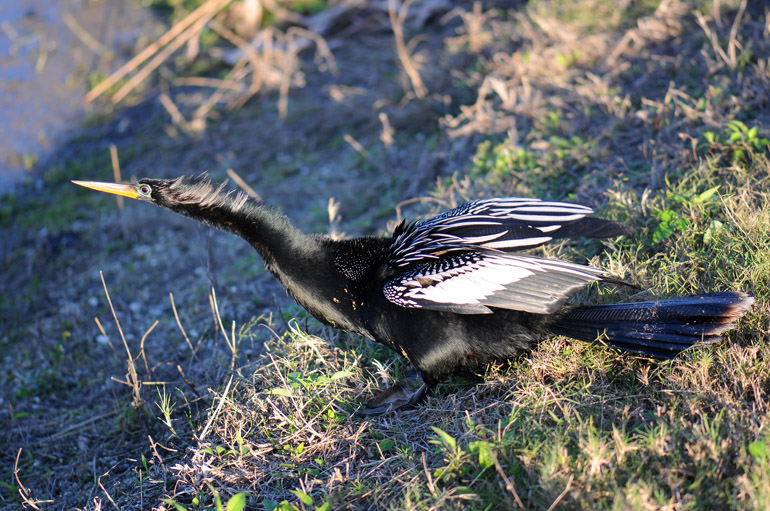
I got about five feet from this anhinga.

sunshine_0160
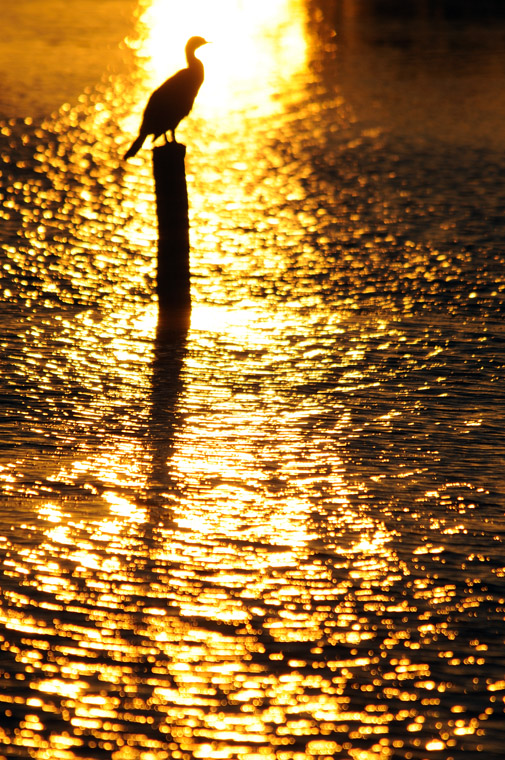
The sun goes down.

colors_0205
A grackle at twilight, with a tower featuring lightning detectors in the background.