Tuesday, May 18, 2010

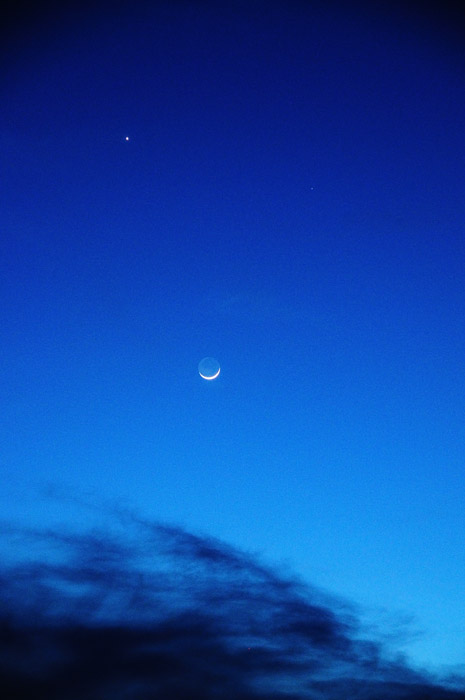
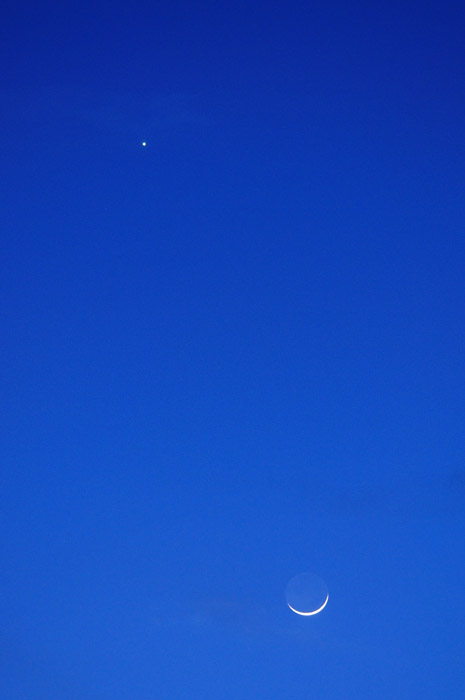
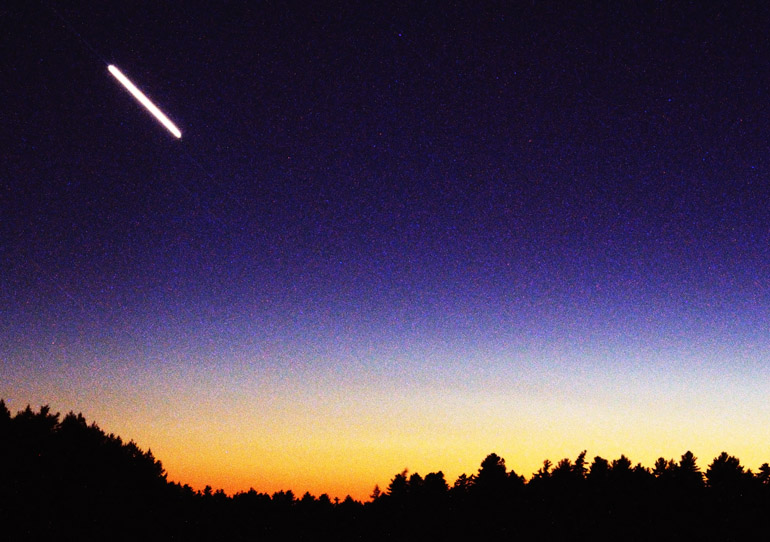
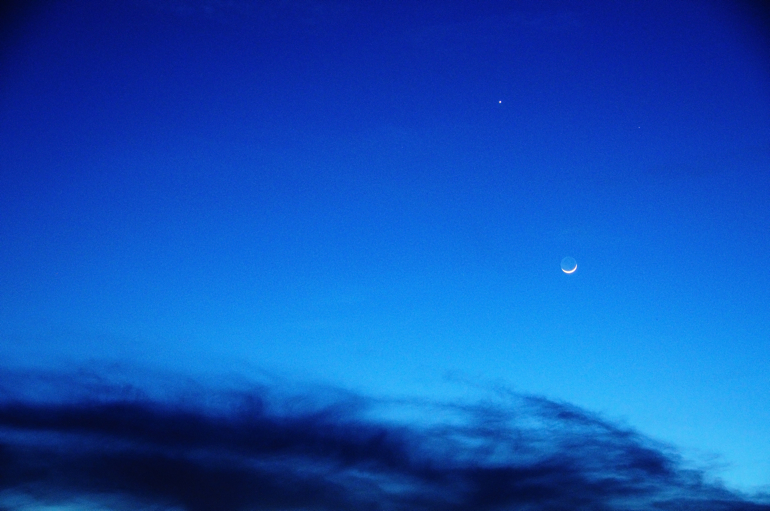
At dusk, a distant conjunction of Venus and the moon

web_conjunctionsvenusmoon_clouds_0006_2695
There are closer conjunctions of Venus and the moon yet to come this year (see below), but I never miss a chance to photograph these two heavenly objects during a rendezvous. This time, it was just after sunset, with a deep-blue sky.

web_conjunctionvenusmoon_vertical_0008_2696
This distant conjunction came the night after a new moon, so the waxing crescent was at its skinniest (Venus, coincidentally, also was a crescent, if only I zoomed in closer). Additionally, sunlight bouncing off Earth and hitting the moon's surface faintly lit the other 97 percent of the disk that wasn't illuminated directly. The strength of this phenomenon -- called "planetshine" or "Earthshine," in our particular case -- is determined by which part of Earth is seeing daylight at the time (land reflects more than oceans) and by the amount of cloud cover in that area (clouds reflect half the light hitting them).

web_conjunction_moonvenus_0005_2694
Of course, the best conjunction in a while happened early one morning in April 2009. See that post here. A better conjunction-viewing opportunity is coming after sunset on Aug. 13, when Mars joins the party with Venus and the moon.

Sunday, May 16, 2010

Lightning, sun and the end of the dry season

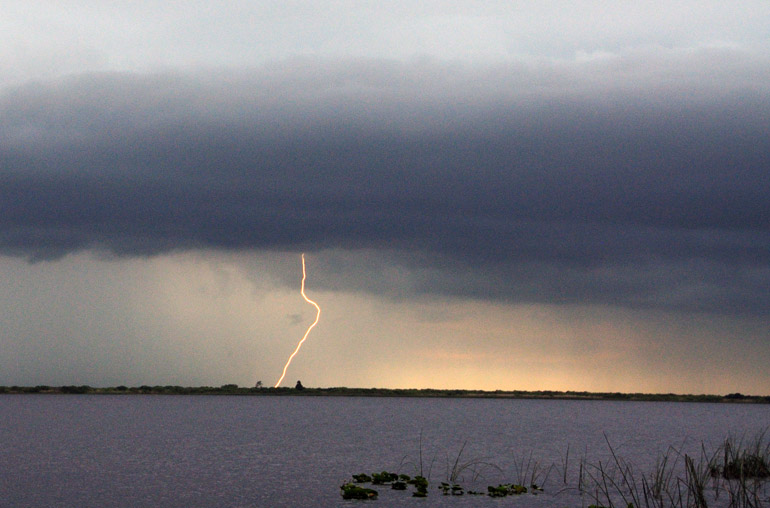
web_sunsetstorm_wide_0003_2697
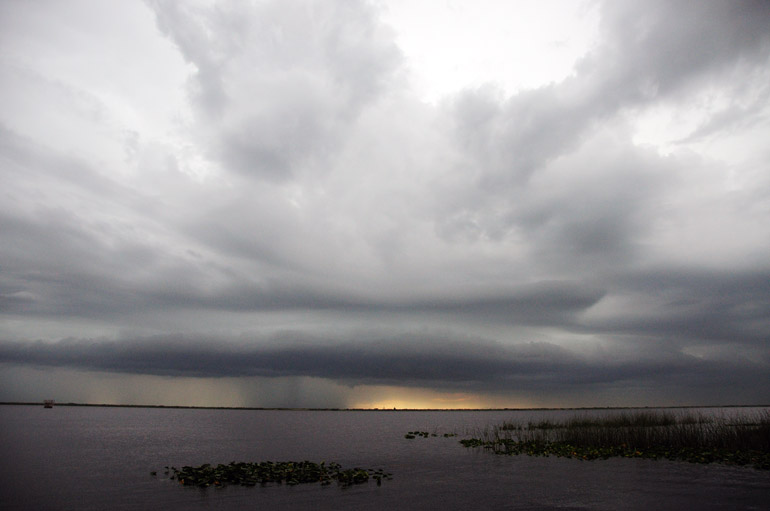
This week, the Space Coast reaches the beginning of the wet season, meteorologists are saying. Thunderstorms are possible each day, and on Sunday, Melbourne was grazed by one that eventually fizzled before it could bring much rain. The above shot shows a view of the storm just west of Lake Washington.

web_sunsetstorm_glowlightning_0011_2698
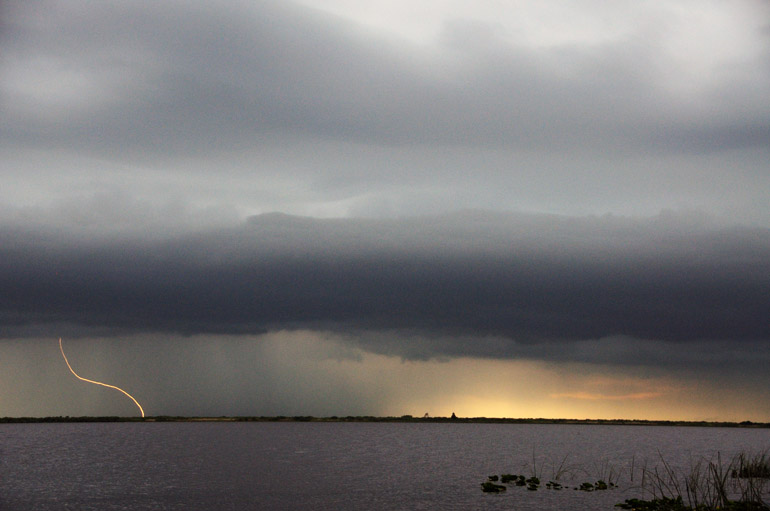
Lightning strikes to the left of the sunlit horizon just before sunset.

web_sunsetstorm_glowlightningcrop_0018_2699
The plus side of not getting a direct hit from this storm was that I could shoot it without getting wet.

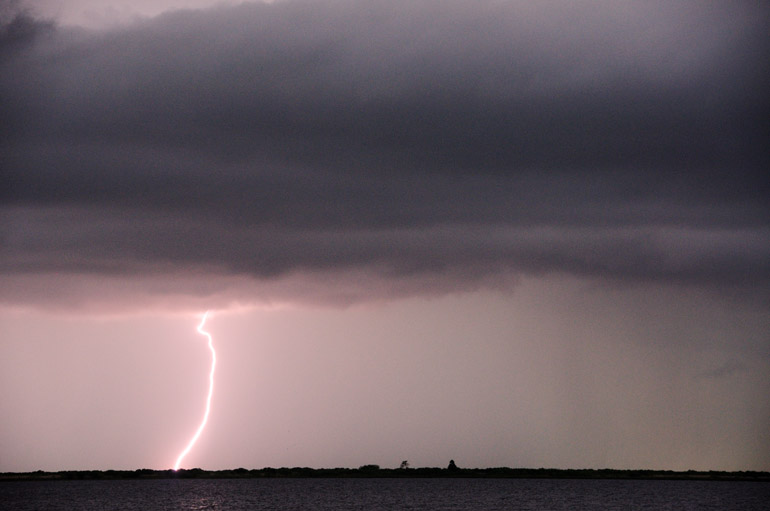
web_sunsetstorm_closebolt_0029_2700
I zoomed in closer and got this shot. For all of these lightning photos, I mounted the camera on a tripod and readied my remote control. Each time lightning struck, I'd mash down the remote in hopes that the shot would catch a bolt. For three of the four strikes in view of my camera, I actually got the shot. This isn't an easy thing to do during daylight.

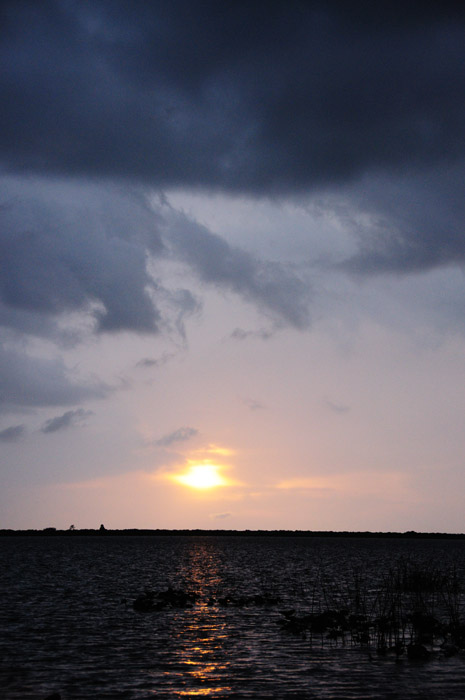
web_sunsetstorm_sunset_0066_2701
The sun eventually did peek out slightly just as it set. Too bad there wasn't any lightning for this shot.

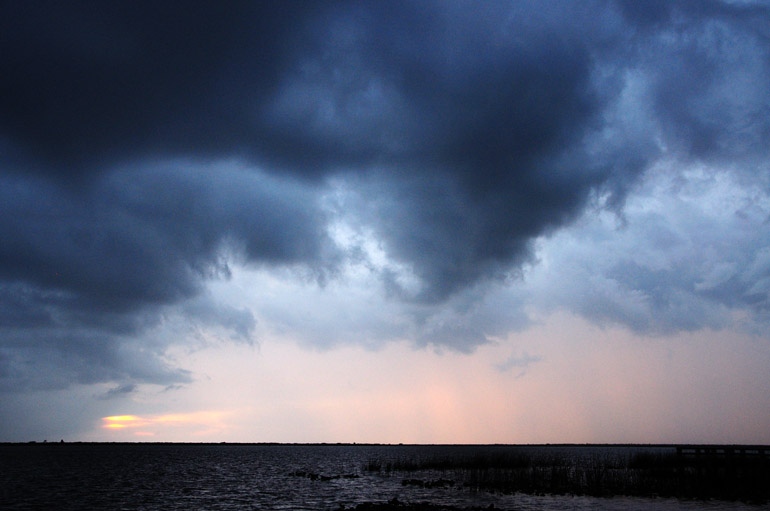
web_sunsetstorm_reddish_0068_2702
Sunlight shines through the rainstorm, creating a red glow on the horizon, with dark storm clouds above.

Saturday, May 15, 2010

For (last) Atlantis launch, getting a little more than I didn't pay for

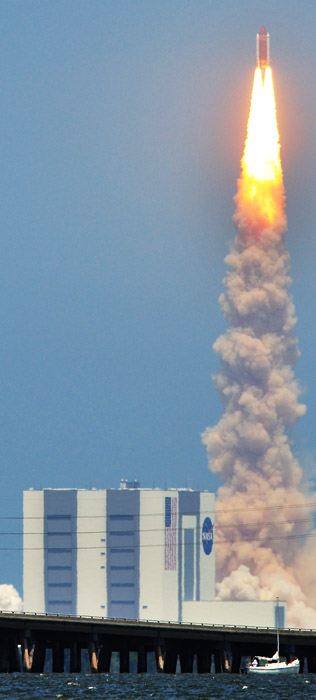
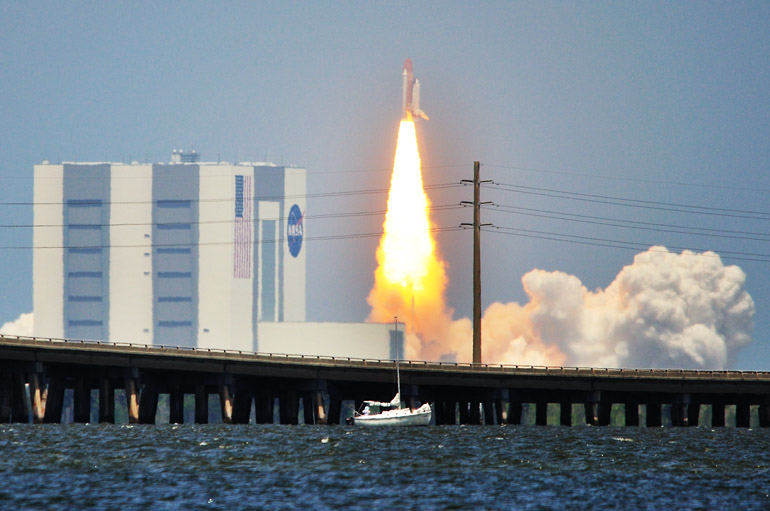
web_shuttleatlantis_vab_0007_2686
To my surprise, the shuttle appeared very close to the Vehicle Assembly Building from my viewing location just south of Titusville.


As a breaking-news reporter, I have a responsibility to remain available in case a story breaks. Photographing space shuttle Atlantis' final (barring backroom deals) launch Friday was bound to get me caught in traffic and cause me to be late for work. So, for the 2:20 p.m. liftoff time, my objective was to find a headache-free place to watch the launch without getting stuck in traffic after.

The place I found proved to be that and then some.

I've had my eye on this secluded spot for several months, since I rode my Harley down a dead-end road along the Indian River south of Titusville. My first thought was that the area would be perfect for a night launch: There would be no artificial lights to mess up a timed exposure. Just me, the trees and the water. And the shuttle, of course.

The road is a dead end because beyond it is the barricaded property of the Astronaut Hall of Fame at the foot of the NASA Causeway, which leads to Kennedy Space Center. Despite that, beyond the closed-off portion, there are dirt trails in the woods that meander along the shoreline. Occasionally, there are clearings, and I chose one of them Friday afternoon as a place to watch this historic launch.

There were only a few other vehicles: no problem parking. And only a half dozen or so people had gathered near me. Many of them were either current or former military members, so it was good company. We sat coolly in the shade and watched the fish jump for flies and the pelicans dive for fish. We kept the conversation light, especially when NASA developed a problem with a ball bearing, threatening to scrub the launch. Fortunately, that didn't happen.

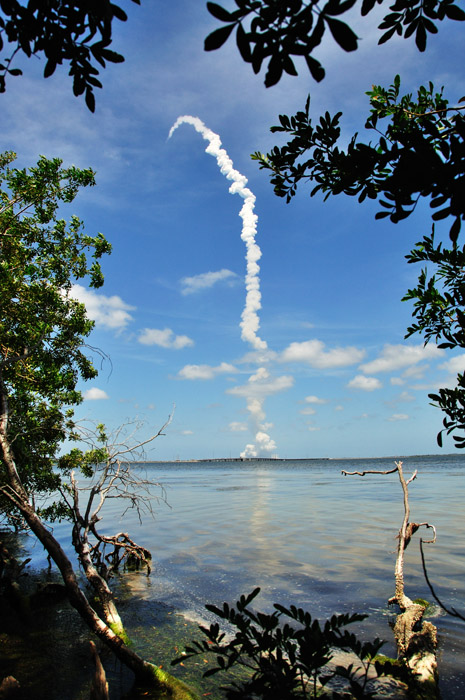
Over a 25-yard span of the shoreline, I scouted out three stations from which to take photos during the launch. First, I'd go for a telephoto shot from an unobstructed piece of shoreline. Second, I'd capture some wider shots of the shore, a tree and maybe a spectator in the foreground. And for the third shot, with an old 2-by-8 I found lying around, I built a makeshift bridge to a log about 5 feet from the shore. On this "bridge," I'd get a photo of the arcing contrail framed by the vegetation surrounding me.

The biggest surprise was when the shuttle lifted off. Not that it was any different from usual launches, but I just had never photographed the thing from this angle south of the launch pad. I thought it would appear over the horizon far to the left of NASA's Vehicle Assembly Building. Instead, it climbed skyward just to the right of the tallest one-story building in the world. An unexpected bonus for this photo op.

There were no cries from revelers or other spectators, so the rumblings from the shuttle could be heard and felt clearly. By my estimates, I was about 15 miles from launch pad 39A. It was absolutely the most tranquil viewing experience I've had thus far for a launch. (I haven't missed one in three years, mind you, so it was also a somber occasion to see Atlantis billowing upward for the last time.)

But it also gave me an idea for the next launch.

Oh, and I didn't struggle with traffic in the least on the way into the office on U.S. 1, or Route 1, as they call it in the state of Maine.
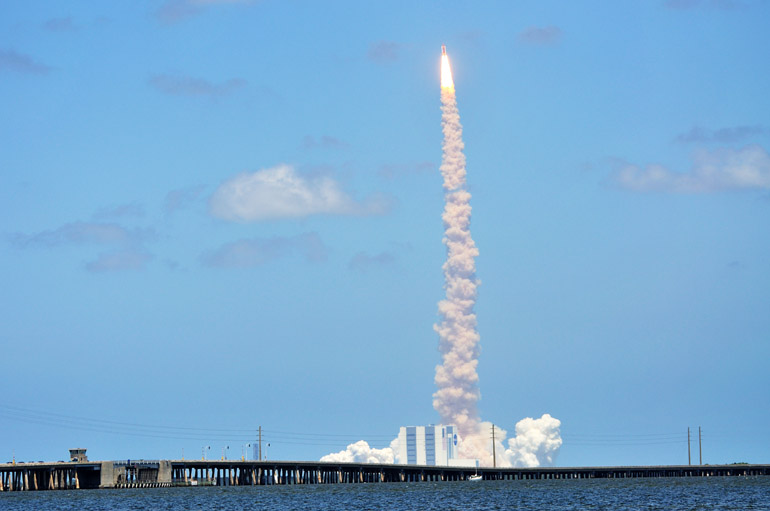

web_shuttleatlantis_causeway_0013_2688
I'm not sure of the reason, but hundreds of cars were stuck on NASA Causeway, heading away from the space center, when the launch took place. My best guess is that they were turned away from entering the Kennedy Space Center Visitor Complex. Even though the location offers only an obstructed view of the launch, such attractions are increasingly popular now that there are just a few shuttle launches remaining. And the Space Coast is milking it for all it's worth.

web_shuttleatlantis_nopole_0011_2687
My newspaper co-workers enjoyed these shots with the VAB and a boat in the foreground. They certainly were views I myself had not before seen. So it's nice that they decided to print a large version of the one at the top of this post.

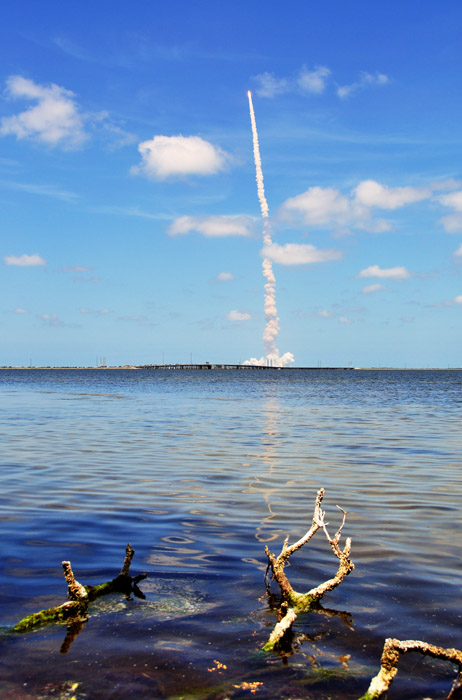
web_shuttleatlantis_driftwood_0019_2689
Maybe next time I'll wear hip waders so I can get right out there into the water.

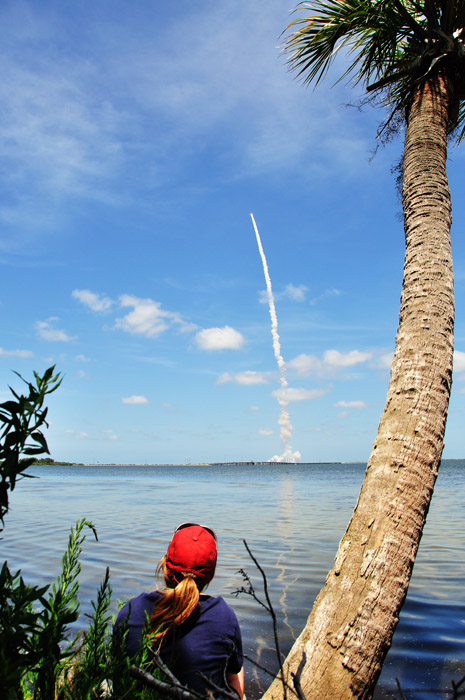
web_shuttleatlantis_spectator_0023_2690
This woman, who's in the Navy, sat on the base of this palm trunk and videotaped the launch. She was one of the few other spectators.

web_shuttleatlantis_greenery_0037_2691
The photography editor at the paper called this an "Ansel Adams" launch shot, a true compliment. I briefly thought about converting it to black and white, too. This is the location where I had to make a bridge -- leading onto the log you see on the right-hand side -- to achieve this framing effect.
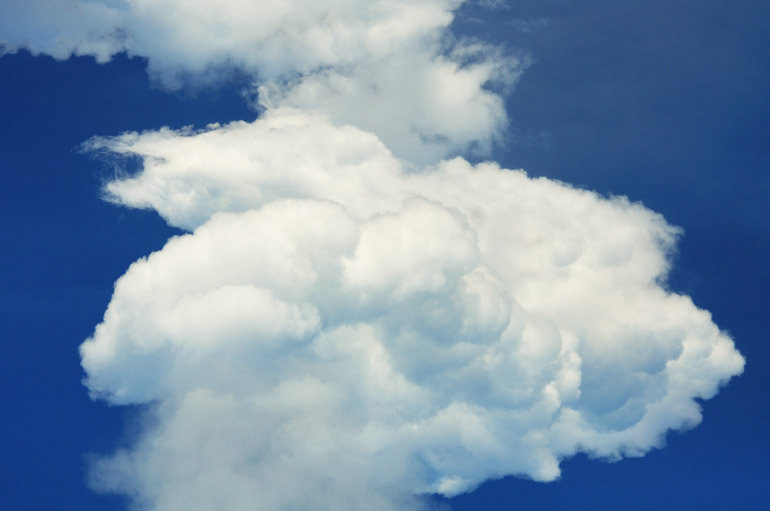
web_shuttleatlantis_contrail_0049_2692
Before stepping into my car for the rather painless trip into the office, I took a close-up of the remaining contrails. They tend to take on a very textured look, similar to storm clouds.

web_shuttleatlantis_leftovers_0056_2693
The contrails get a little wispier here, forming a familiar corkscrew pattern that often happens after a launch. The wind was blowing briskly inland, so that likely contributed to this formation. I took this shot from my car while waiting at a stoplight near Port St. John.

Wednesday, May 12, 2010

Oil-free birds

CSC_0089
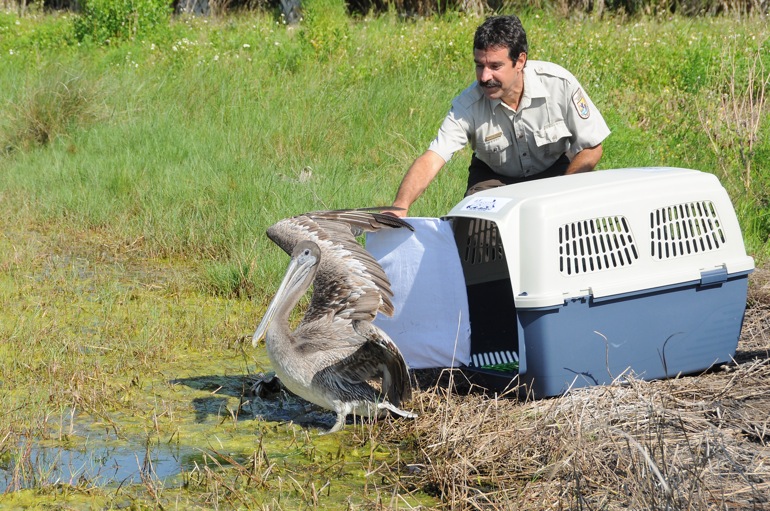
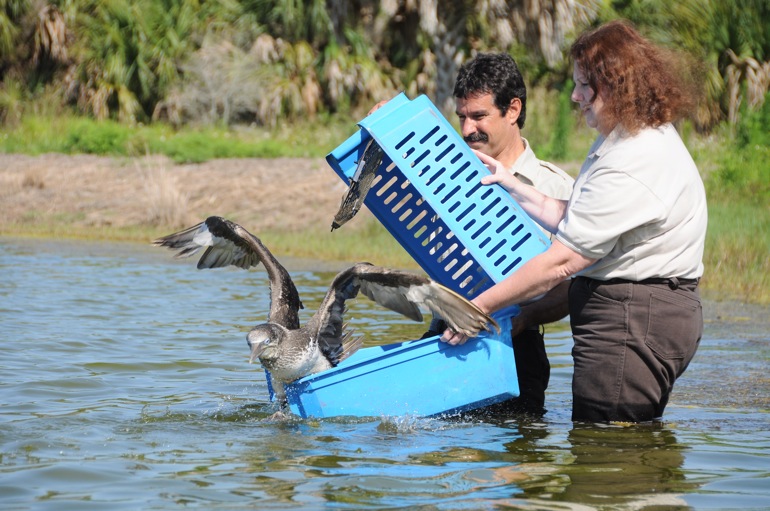
Pelly, a brown pelican saved from the Deepwater Horizon oil spill, steps from his cage.

CSC_0088
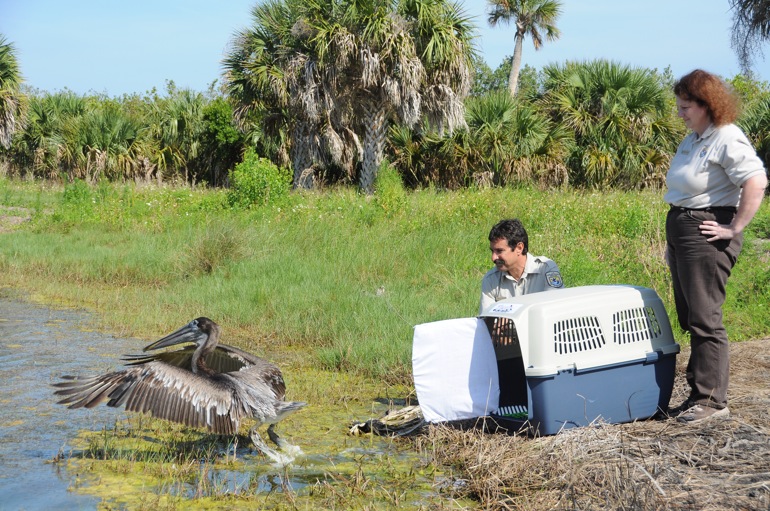
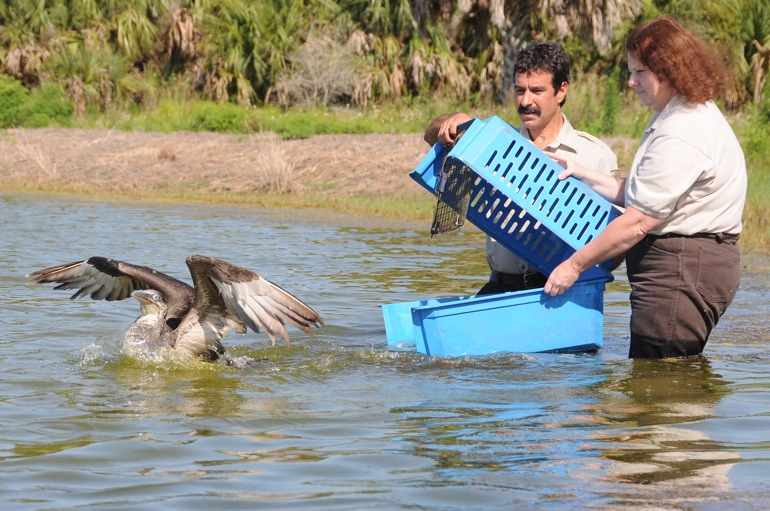
Pelly is set free by U.S. Fish and Wildlife Service personnel.

CSC_0093
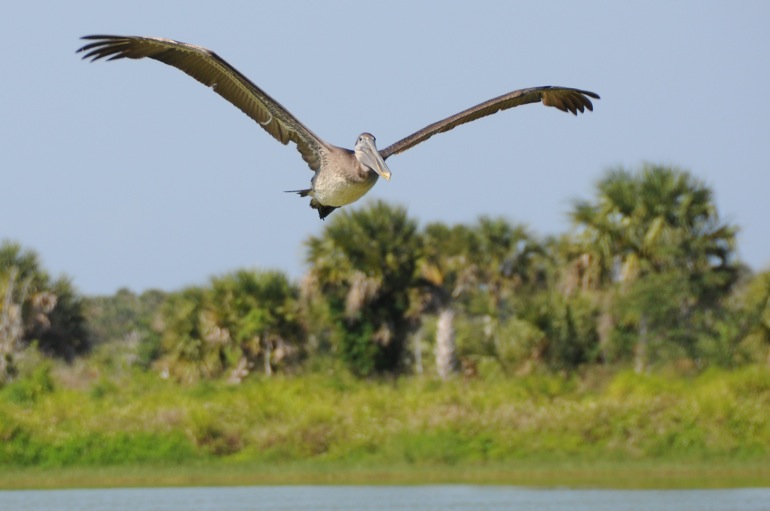
Pelly stretches his wings before flying away.


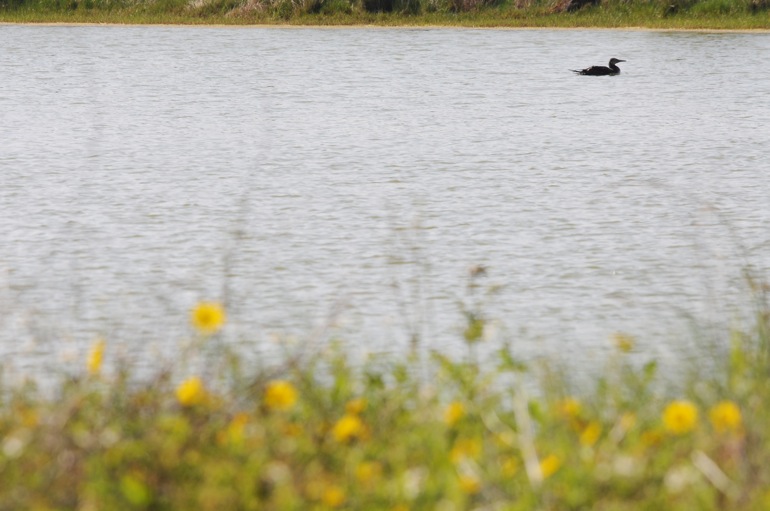
The two birds in these photos -- a brown pelican named Pelly and a northern gannet known as Lucky -- were the first two rescued from the oil spill in the Gulf of Mexico. On Monday, they became the first two to be released after a week of rehabilitation in Louisiana. They were set free at Pelican Island National Wildlife Refuge in nearby Indian River County. I was there for the story and photos.


CSC_0099
Lucky, a northern gannet, climbs from his cage.

CSC_0100
Lucky splashes onto the pond surface.

CSC_0104
Lucky is floating freely again.

Sunday, May 9, 2010

Maine sky

web_venussetlapse_maine_0014_2685
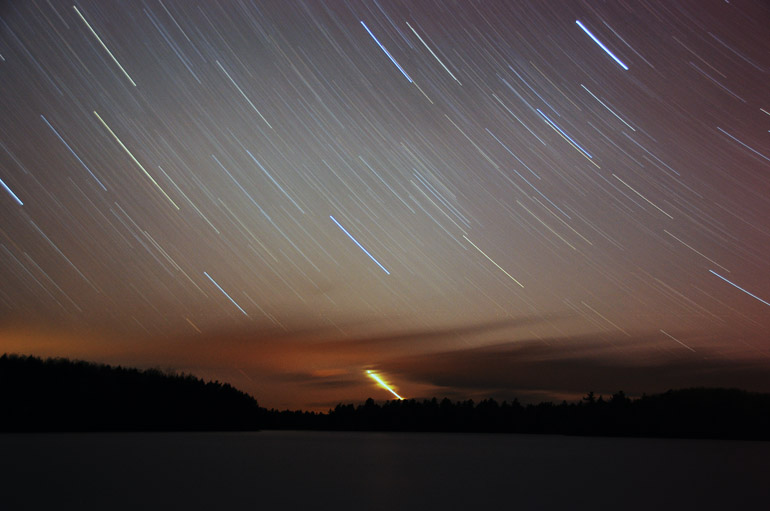
Down East Maine's dark sky affords some magnificent stargazing. At home in Princeton, I could lie on a dock for hours, just watching the heavens, catching the shimmer of an occasional meteor and the flicker of a low-flying lightning bug. Above, the planet Venus sets, showing up as the brightest streak on the horizon in this whopping 22-minute exposure.

web_venus_maine_0033_2660
This 8-minute, 10-second exposure was so drastically underexposed that I had to use Photoshop to bring up the lighting and make something out of this shot of Venus. This was taken on a separate night from the top image in this post and earlier, too. The glow from the long-gone sun was still on the horizon.

web_spacestation_maine_0035_2661
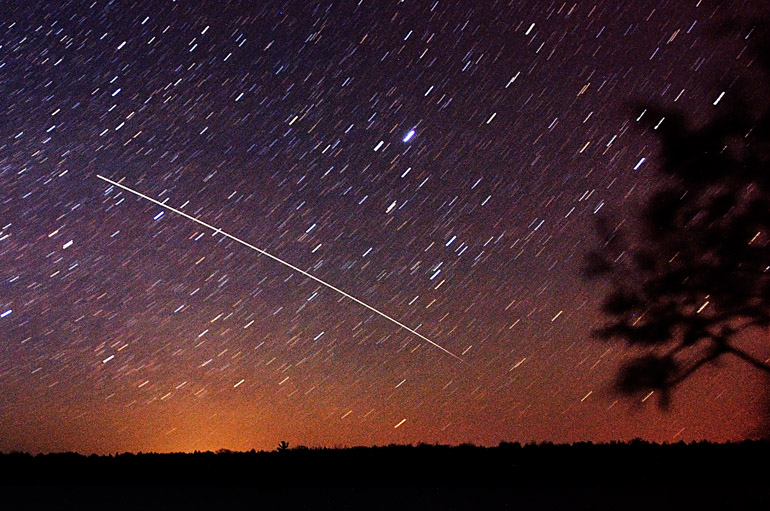
On several of my four nights in Maine, I tried to watch the International Space Station pass overhead. Unlike in Florida, station flyovers happen twice just after sunset and within about an hour of each other. There's usually just a single nightly pass in Florida within an hour after sunset. But for various reasons - bad weather, forgetfulness - this above shot was the only one I could manage the entire week. It's about 3 minutes, 8 seconds long and gives a different look from the shots I usually get in Florida, where what few stars that are visible get lost in the lingering sunshine and city lights.

web_startrailsclose_maine_0257_2682
Focusing on a single part of the north-northwest sky, I caught the faint trail of another satellite passing overhead. Such sights are unachievable without the advantage of Maine's dark sky. This exposure is 3 minutes, 6 seconds long and was taken with my 105mm macro lens.

web_sunsetrain_maine_0005_2683
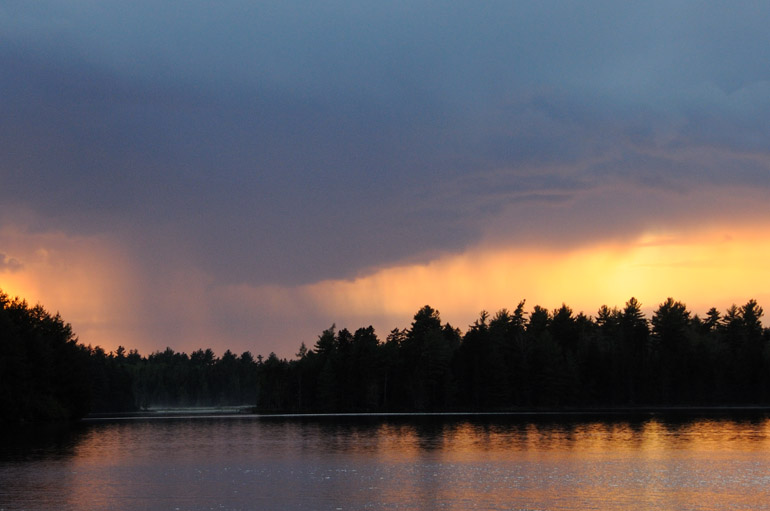
This is actually another stormy shot, but it's one I neglected to share in the earlier post. On my last evening in Maine, a rapidly moving rainstorm is backdropped by the sunset. The wind soon picked up, and the rain came. It was short-lived, though: It was gone in about five minutes, and the sky cleared again.